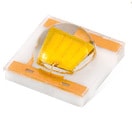
WL-SMDC SMT Mono-color Ceramic LED Waterclear
EXTENDED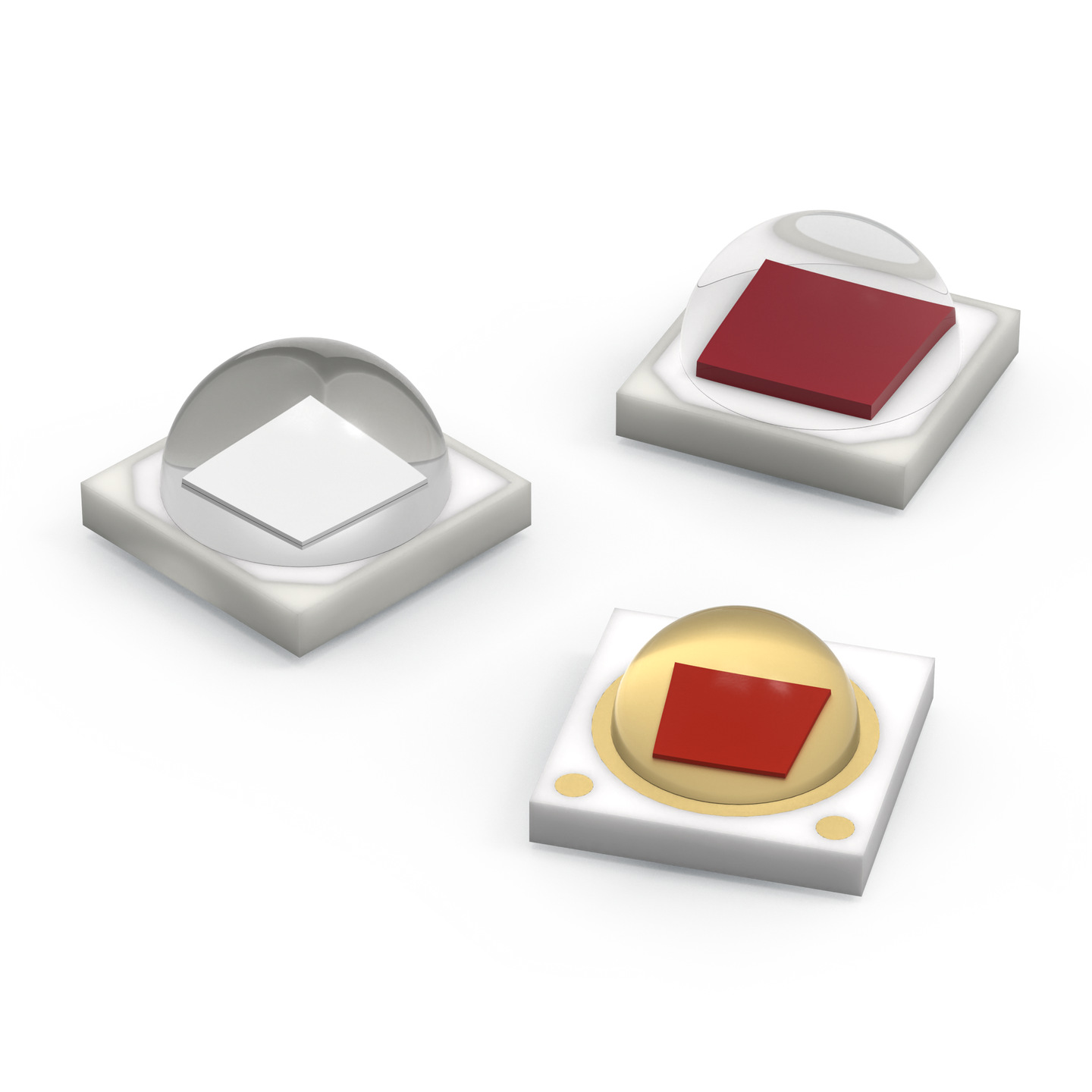
LTSpice files
Characteristics
- Typical wavelengths: 450 nm, 660 nm, 730 nm
- PPE up to 4.9 µmol/J (@700 mA)
- PPF up to 6.34 µmol/s (@700 mA)
- Beam angle: 125°
- Package: 3535
- Long lifetime
- Ideal for scalable, modern horticulture systems
- Uniform illumination of large cultivation areas
Applications
- Greenhouse lighting & indoor vertical farming
- Controlled Environment Agriculture (CEA)
- Container farming
- Specialty crops & research
- Algae cultivation
- Aquarium lighting
Products
| Expected Availability | Opening inventory | Quantity |
|---|---|---|
| Current Availability | – | – |
HortiCoolture. LED it grow!
Horticulture LED Lighting
New Horticulture LEDs from the High Power Ceramic series. The wavelengths (450 nm, 660 nm, 730 nm) specially selected for plant cultivation promote photosynthesis and optimize plant development. The superior PPF values, small size and low power dissipation make the WL-SMDC series perfect as a future selection for Horticulture lighting. Item available from stock. Samples available free of charge.
Advantages:
- High luminosity
- Color spectrum individually adaptable to plants
- Complete color spectrum available including white, UV and IR LEDs
- Low thermal resistance
- Electrically neutral heat path
- One solder pad for the complete color spectrum

What Plants Need

Emission spectrum of the Horticulture LEDs

Photosynthetic pigments and light receptors
Innovative Structure


Applications of Horticulture LEDs
Applications of Horticulture LEDs
- Vertical Farming
- Greenhouse Lighting
- Indoor Farming
- Multilayer Cultivation
- Grow lights
- Sports turf lighting

One footprint, many possibilities
One footprint, many possibilities
- Available in Horticulture wavelength ranges CCT from 2700K to 6000K and RGBY
- Create your own light recipe with all available colors
- Test your recipes - see how they look like
- Calculate your opto/electrical parameters
- Test your ideas and estimate the performance of your lamp
- PPF values, power consumption, R/B ratio and much more calculated directly

Videos
#askLorandt explains: The benefits of using LEDs in horticultural applications
Videos
Würth Elektronik Webinar: Supplemental lighting in greenhouses with Horticulture LEDs
Videos
WE meet @ Digital Days 2020: Horticulture LEDs – high and low power application examples
Videos
Würth Elektronik Webinar: Nachhaltige Lebensmittelproduktion mit Horticulture-LEDs