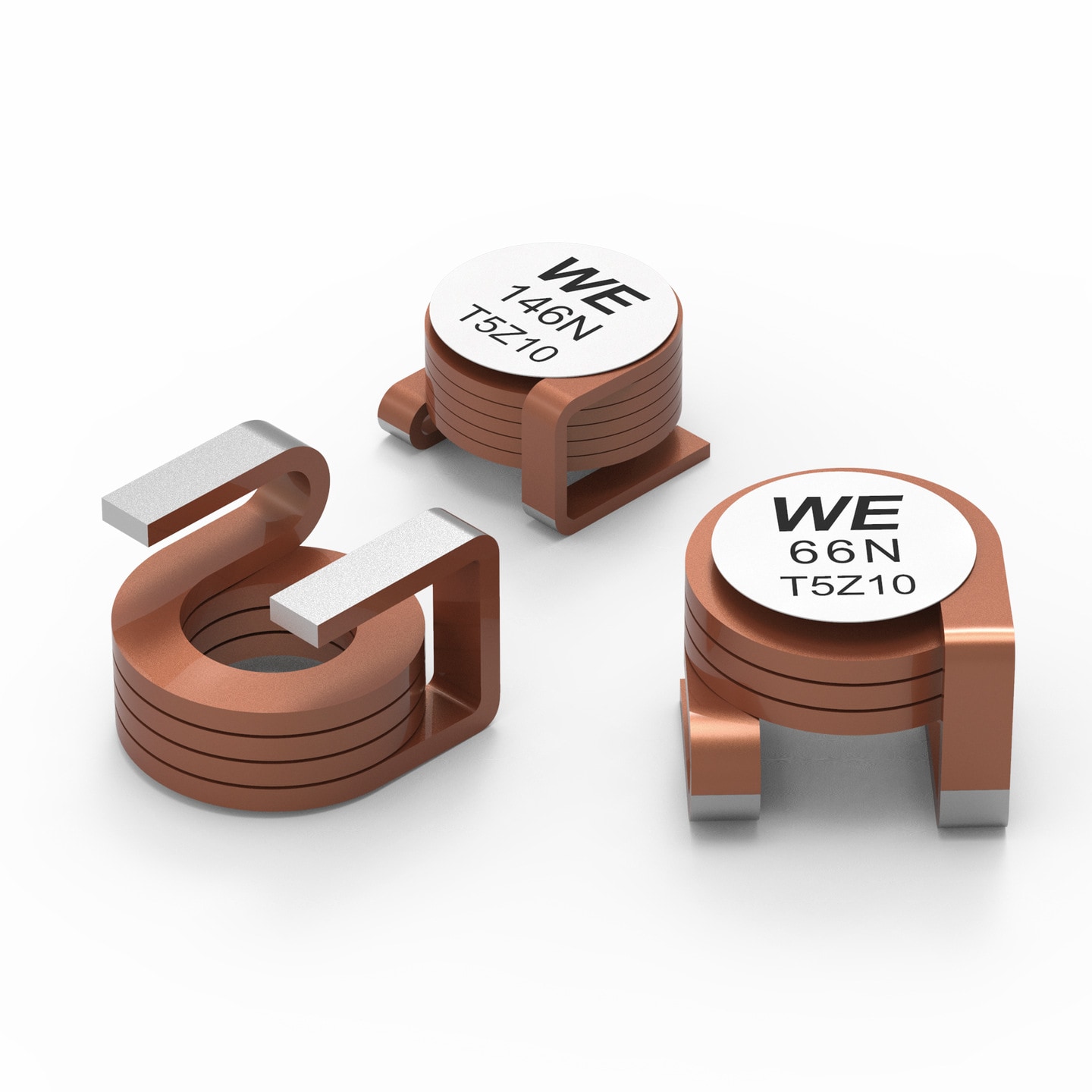
WE-AC HC High Current Air Coil
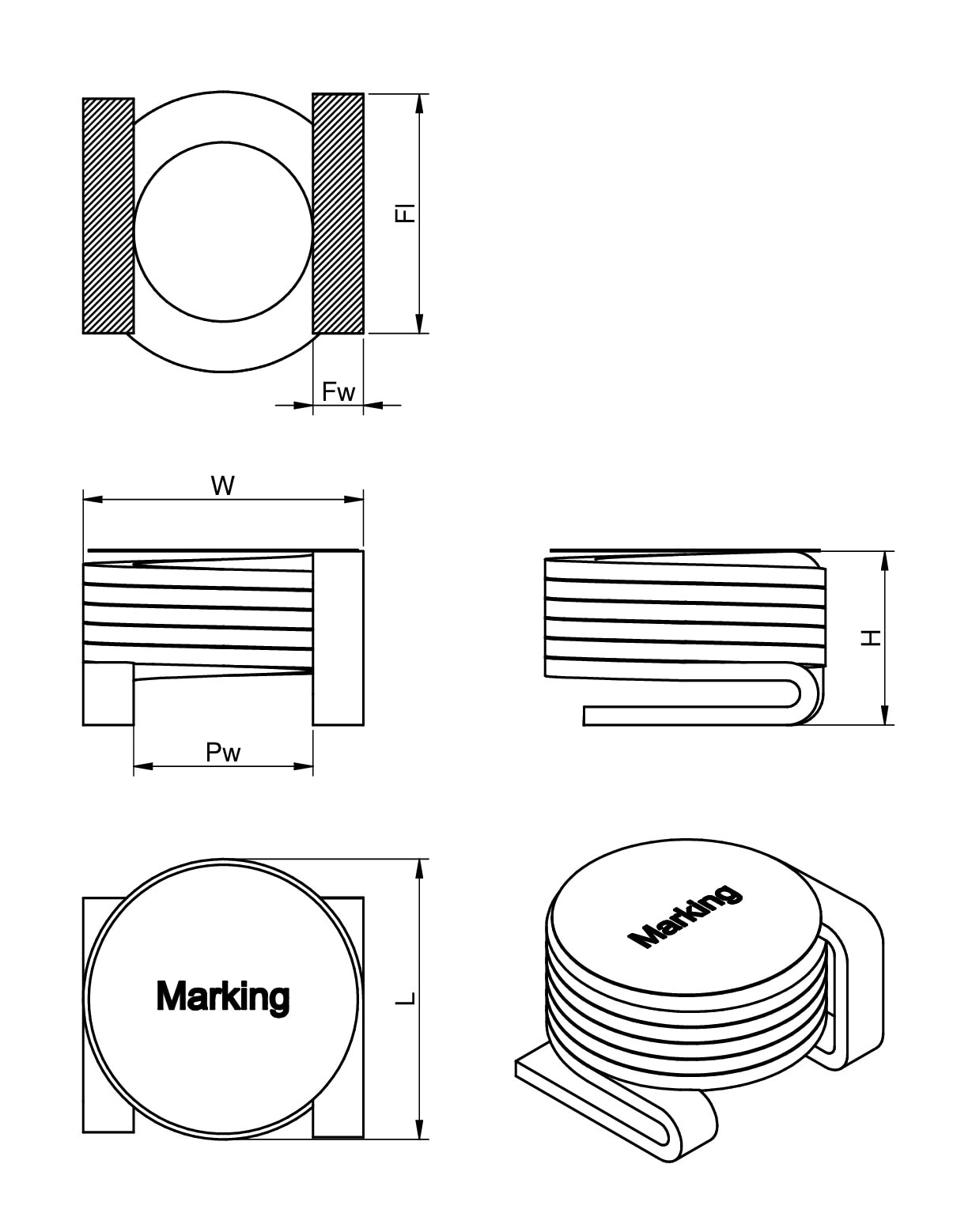
| Size | Dimensions | L (mm) | W (mm) | Fl (mm) | |
|---|---|---|---|---|---|
1010 | 10 | 10 | 8.55 | ||
1212 | 11.5 | 12 | 9.1 |
LTSpice files
Characteristics
- No saturation
- No core losses
- Extremely high Q-Factor
- Ultra low RDC
- High current capability
- Inductances from 22 up to 146 nH
- Operating temperature: -40 °C up to +125 °C
Applications
- High current DC-DC converters with clocks > 4 MHz
- RF power amplifiers
- RF voltage regulators
- High current RF filters/chokes
- Power supplies
- Magnetically-sensitive applications
- Operating temperature: -40°C up to +125°C
Application Notes

Products
Order Code | Datasheet | Simulation | Downloads | Status | L(nH) | Tol. L | Test Condition L | Qmin. | Test Condition Q | RDC max.(mΩ) | IR(A) | fres(MHz) | SamplesAvailability & Sample | |
|---|---|---|---|---|---|---|---|---|---|---|---|---|---|---|
7449152022 | SPEC22 nH, ±20%, 1 MHz | Availability – | Status Activei| Production is active. Expected lifetime: >10 years. | Inductance22 nH | Inductance±20% | Inductance1 MHz | Q-Factor280 | Q-Factor100 MHz | DC Resistance0.55 mΩ | Rated Current40 A | Self Resonant Frequency867 MHz | –Check availability | ||
7449150023 | SPEC23 nH, ±20%, 1 MHz | Availability – | Status Activei| Production is active. Expected lifetime: >10 years. | Inductance23 nH | Inductance±20% | Inductance1 MHz | Q-Factor191 | Q-Factor100 MHz | DC Resistance1.2 mΩ | Rated Current30 A | Self Resonant Frequency867 MHz | –Check availability | ||
7449152042 | SPEC42 nH, ±20%, 1 MHz | Availability – | Status Activei| Production is active. Expected lifetime: >10 years. | Inductance42 nH | Inductance±20% | Inductance1 MHz | Q-Factor240 | Q-Factor100 MHz | DC Resistance770 mΩ | Rated Current34 A | Self Resonant Frequency605 MHz | –Check availability | ||
7449150046 | SPEC46.5 nH, ±20%, 1 MHz | Availability – | Status Activei| Production is active. Expected lifetime: >10 years. | Inductance46.5 nH | Inductance±20% | Inductance1 MHz | Q-Factor223 | Q-Factor100 MHz | DC Resistance1.62 mΩ | Rated Current28 A | Self Resonant Frequency581 MHz | –Check availability | ||
7449152066 | SPEC66 nH, ±20%, 1 MHz | Availability – | Status Activei| Production is active. Expected lifetime: >10 years. | Inductance66 nH | Inductance±20% | Inductance1 MHz | Q-Factor245 | Q-Factor100 MHz | DC Resistance0.99 mΩ | Rated Current32 A | Self Resonant Frequency457 MHz | –Check availability | ||
7449150079 | SPEC79 nH, ±20%, 1 MHz | Availability – | Status Activei| Production is active. Expected lifetime: >10 years. | Inductance79 nH | Inductance±20% | Inductance1 MHz | Q-Factor184 | Q-Factor100 MHz | DC Resistance2.11 mΩ | Rated Current23 A | Self Resonant Frequency422 MHz | –Check availability | ||
7449152090 | SPEC90 nH, ±20%, 1 MHz | Availability – | Status Activei| Production is active. Expected lifetime: >10 years. | Inductance90 nH | Inductance±20% | Inductance1 MHz | Q-Factor226 | Q-Factor100 MHz | DC Resistance1.21 mΩ | Rated Current30 A | Self Resonant Frequency359 MHz | –Check availability | ||
7449150111 | SPEC111 nH, ±20%, 1 MHz | Availability – | Status Activei| Production is active. Expected lifetime: >10 years. | Inductance111 nH | Inductance±20% | Inductance1 MHz | Q-Factor186 | Q-Factor100 MHz | DC Resistance2.11 mΩ | Rated Current22 A | Self Resonant Frequency374 MHz | –Check availability | ||
7449152111 | SPEC117 nH, ±20%, 1 MHz | Availability – | Status Activei| Production is active. Expected lifetime: >10 years. | Inductance117 nH | Inductance±20% | Inductance1 MHz | Q-Factor211 | Q-Factor100 MHz | DC Resistance1.43 mΩ | Rated Current32 A | Self Resonant Frequency345 MHz | –Check availability | ||
7449150146 | SPEC146 nH, ±20%, 1 MHz | Availability – | Status Activei| Production is active. Expected lifetime: >10 years. | Inductance146 nH | Inductance±20% | Inductance1 MHz | Q-Factor163 | Q-Factor100 MHz | DC Resistance3.33 mΩ | Rated Current19 A | Self Resonant Frequency332 MHz | –Check availability |
| Expected Availability | Opening inventory | Quantity |
|---|---|---|
| Current Availability | – | – |
Würth Elektronik offers several product series with different construction technology
RF Inductors selection guide
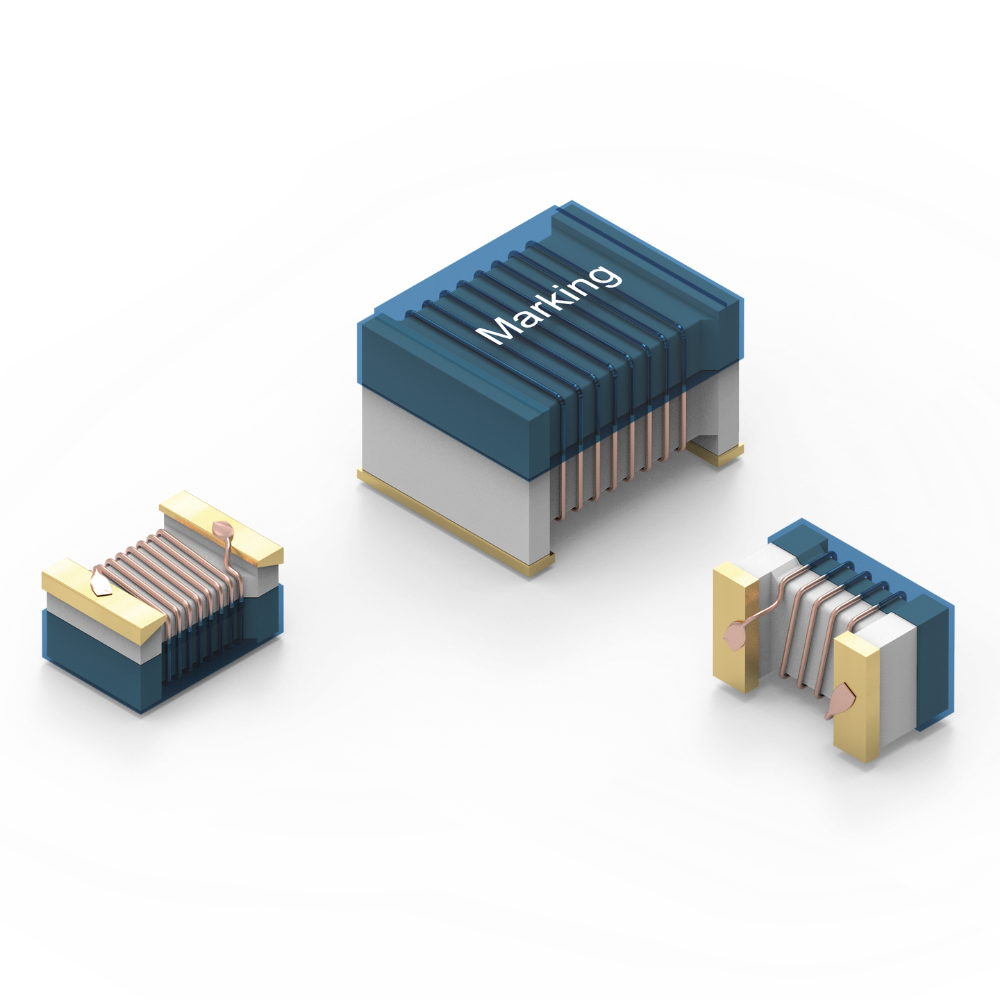
WE-KI SMT Wire Wound Ceramic Inductor
- Inductance values from 1nH up to 1800nH
- High Q factor
- Up to 12.5GHz self resonant frequency
- Up to ± 2% inductance tolerance
- High thermal stability
- Design Kits available for the different sizes
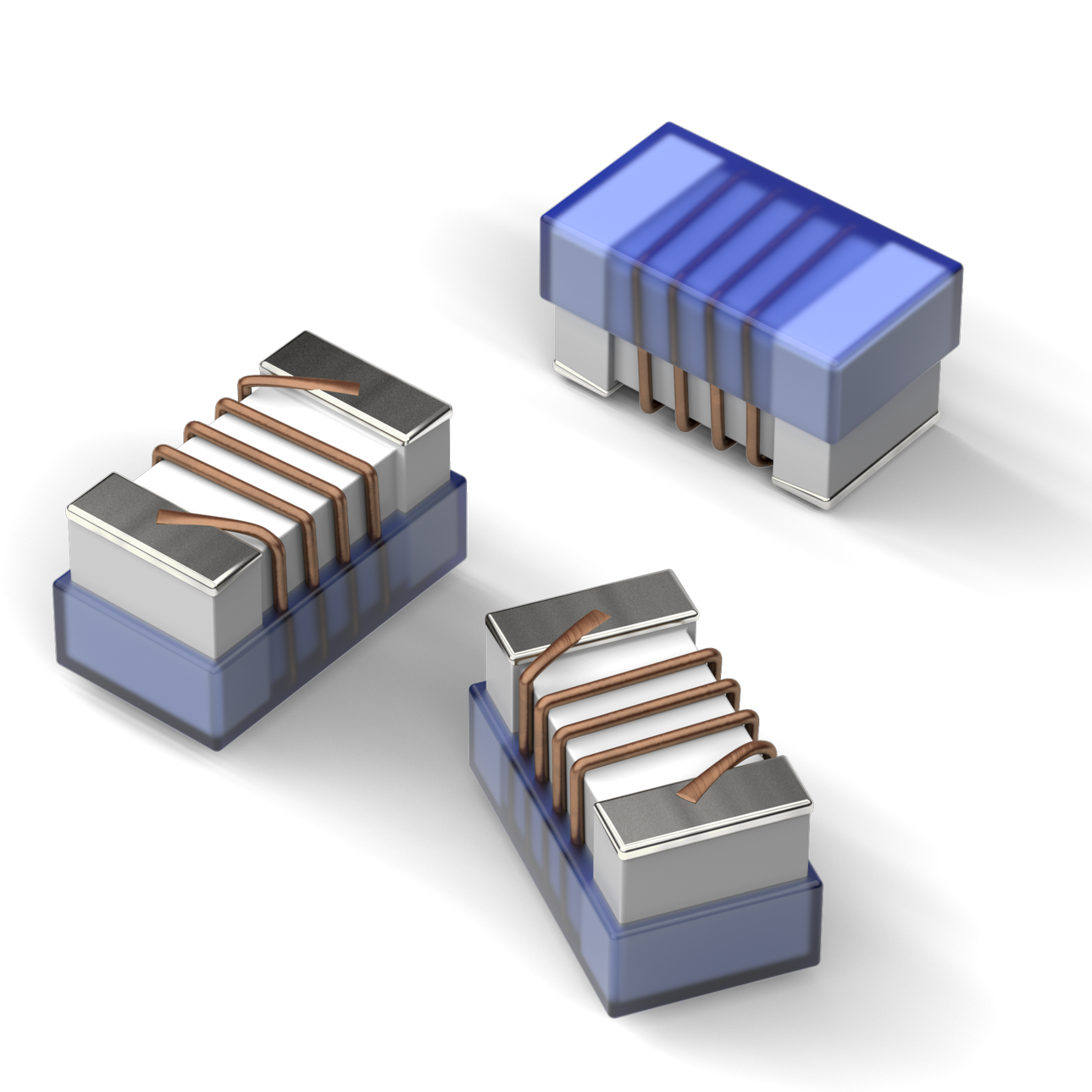
WE-KI High Current Wire Wound Ceramic Inductor
- Inductance values from 1nH up to 390nH
- Excellent Q factor
- High current up to 2.3 A
- ± 2% Inductance Tolerance
- High thermal stability
- Design Kit available

WE-MK Multilayer Ceramic Inductor
- Inductance values from 1nH up to 470nH
- Extremly small size (up to 0201)
- Up to ±2% (or ±0.1nH) inductance tolerance
- Robust structure
- Polarity marking available
- Design Kits available for the different sizes
- High thermal stability
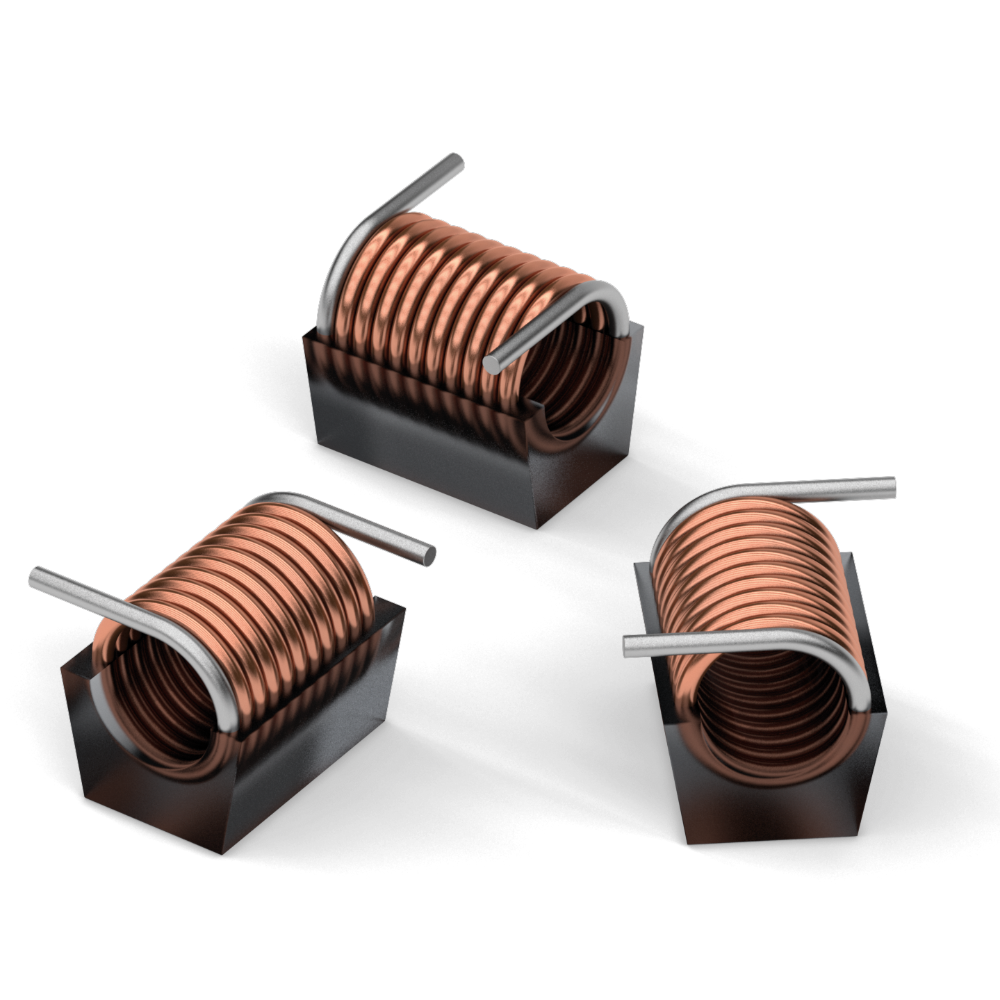
WE-CAIR Air Core Inductor
- Inductance values from 1.65nH up to 538nH
- Extremly high Q factor (Q>100)
- Very high current up to 4 A
- High self resonant frequency
- Design Kit available
- High thermal stability
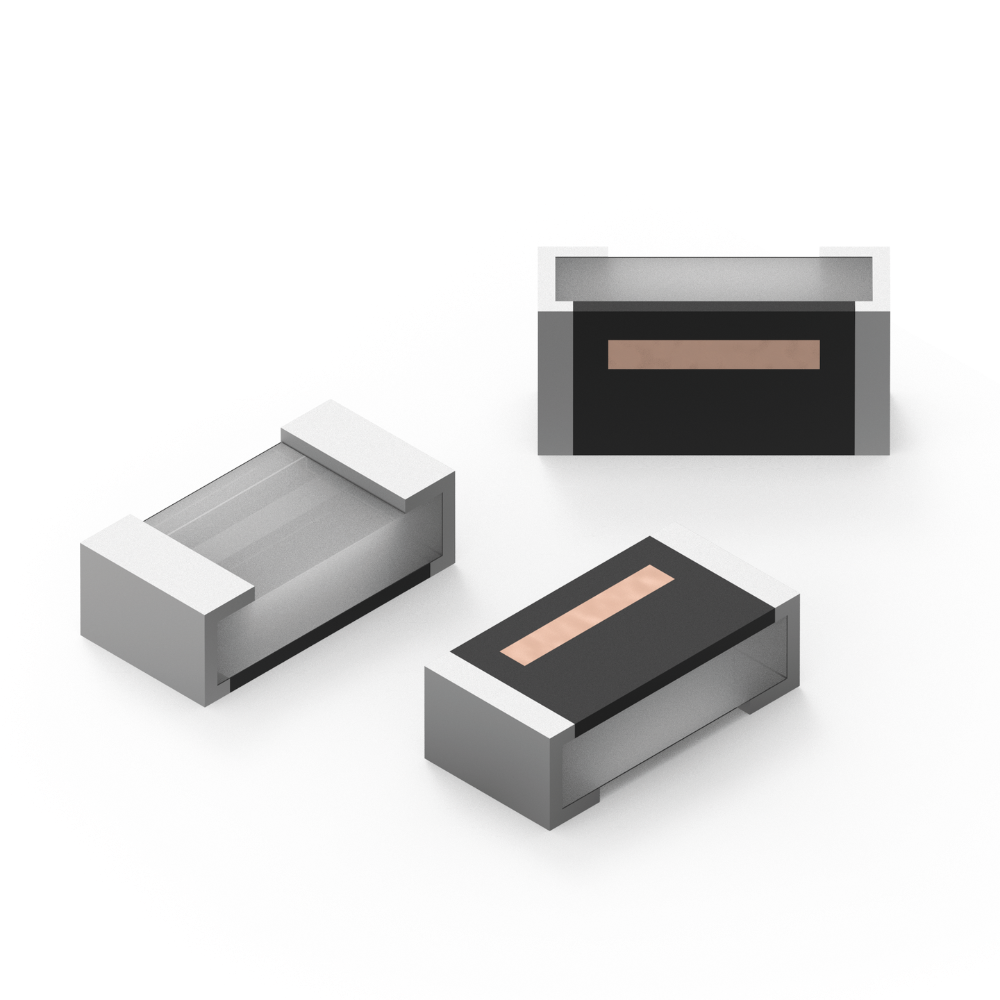
WE-TCI Thin Film Inductor
- Inductance values from 1nH up to 27nH
- High self resonant frequency
- Tight tolerance of 2 % (1% on request) or ± 0.1
- Very small size (up to 0201)
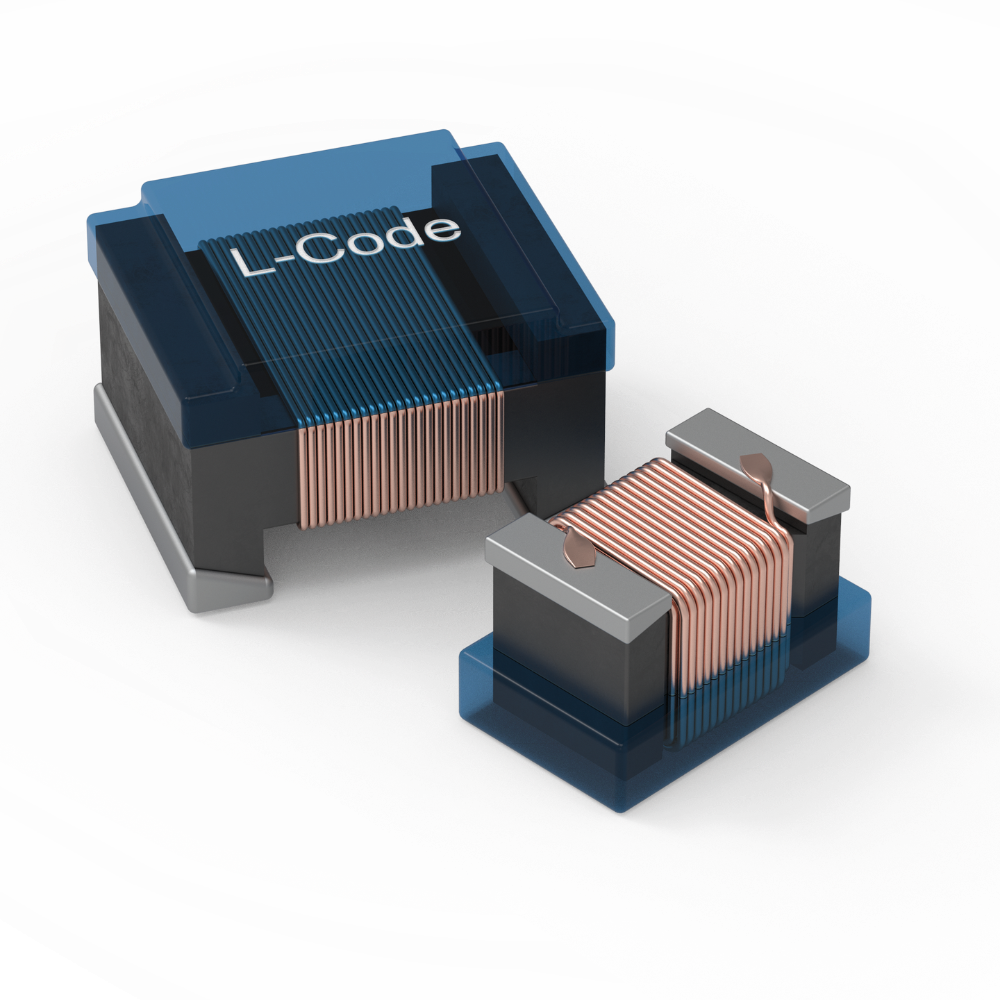
WE-RFI Wire Wound ferrite inductor
- High inductance values available from 20 nH up to 47 µH
- Operating temperature:–40 °C to +85 °C
- Size: 0402 to 1008
- Design Kit available
What is the Quality Factor Q?
What is the Quality Factor Q?
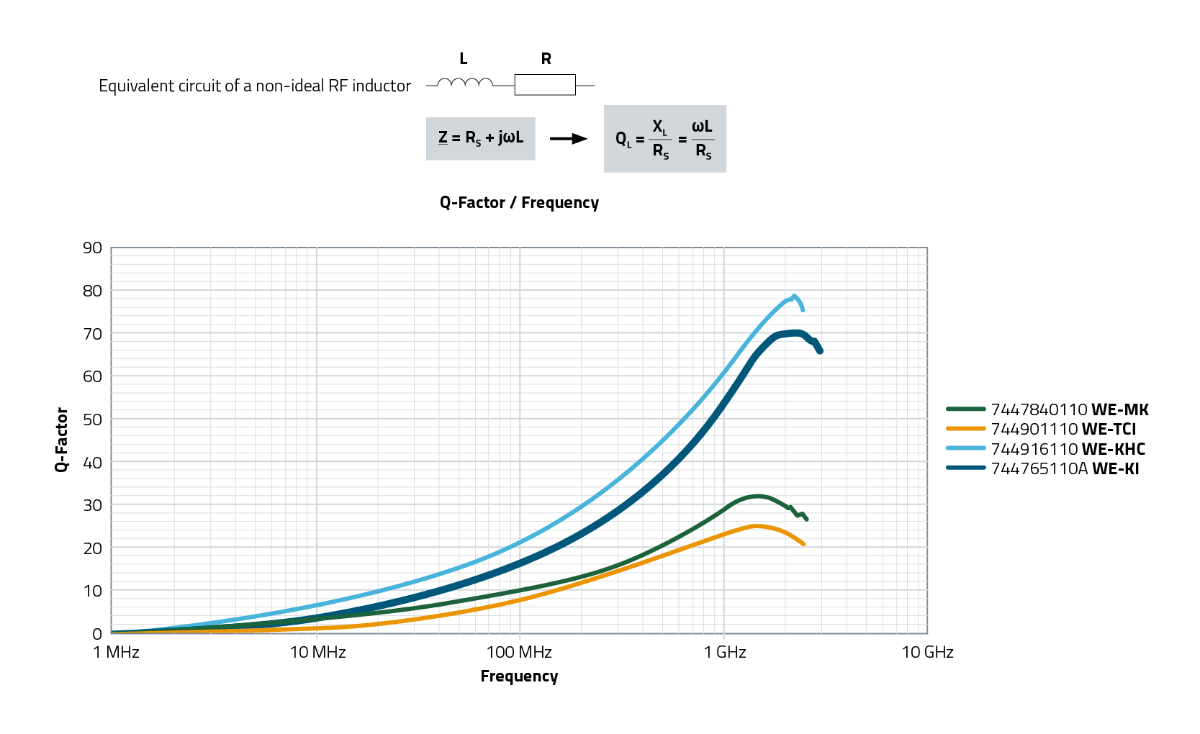
The quality factor Q is an essential characteristic parameter and one of the first creterias that every RF engineer should take into account. The Q factor is given either as minimum or as typical value at a defined frequency point. In the case of Würth Elektronik, the Q factor is given as the minimum value in order to guarantee customers a reliable minimum level.
Basically, the Q factor is the ratio between the inductive reactance XL and the losses RS and is an indicator of how ideal an inductor is. For inductors with air or ceramic cores, the resistance RS is mainly due to the resistivity of the conductor in the inductor device. A higher Q factor means less losses in the component.
Self Resonant Frequency
Self Resonant Frequency
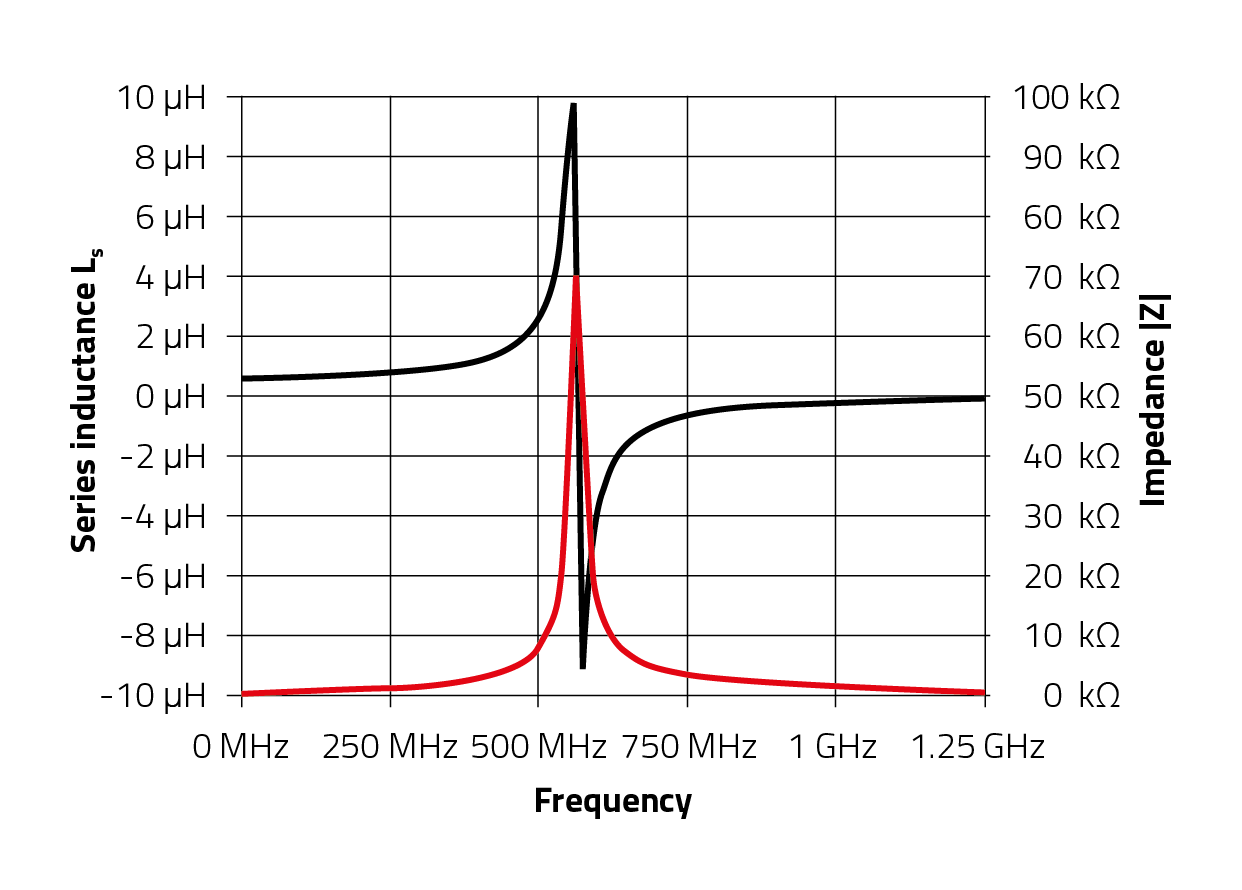
Because the winding structure of any coil of wire will exhibit some capacitance, the inductor will serve as a parallel resonant tank circuit with an associated self-resonance frequency (SRF). As with conventional inductors, SRF indicates up to which frequency the inductor behaves as an inductor.
Exactly at the SRF the inductor with its parasitic capacitance behaves as a resonance circuit with an almost infinite high impedance, only circuit losses limit the high value of the impedance. Beyond the SRF the “inductor” behaves like a capacitor
Increasing the inductance and/or the parasitic capacitance lowers the SRF, and vice versa. This is the reason why the higher the inductance value, the lower the SRF.
In case of choke applications in which inductors are used, the best signal blocking occurs shortly below the SRF, where the impedance is very high and thus the attenuation reaches its maximum. For filter or impedance-matching applications, it is more important to have constant inductance in the relevant frequency range, which means the SRF of the inductor should be well above the operating frequency of the circuit.
Rated Current in high frequency application
Rated Current in high frequency application
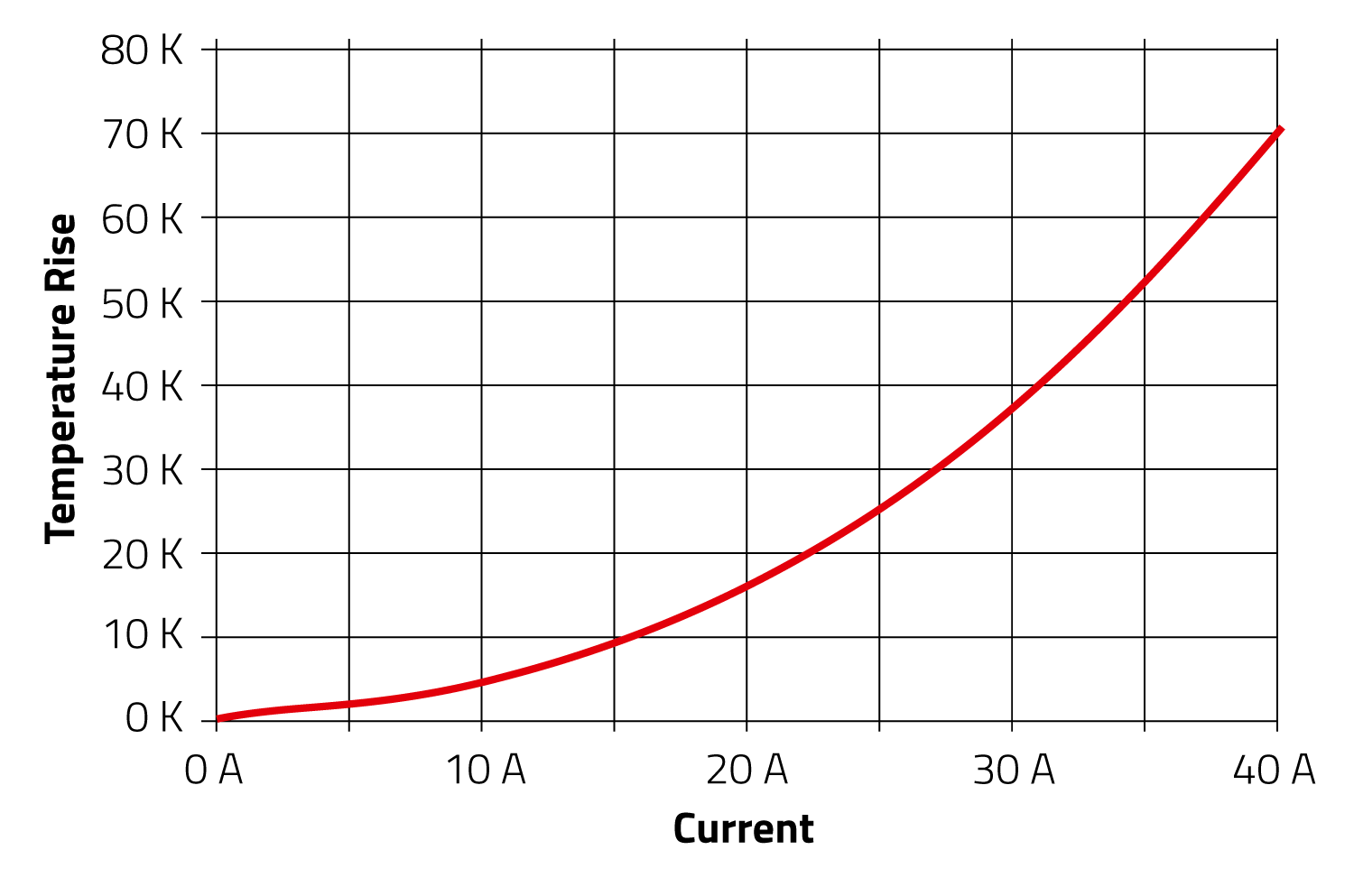
The rated current is specified as the maximum DC current (A or mA) that causes a defined temperature rise (i.e. ΔT = 40 K). The temperature rise plus the ambient temperature must not exceed the maximum operating temperature. For high current applications, please select the specific air core inductors: WE-KI HC, WE-ACHC and WE-CAIR.
RF inductors and Antenna Matching
How Antenna Matching works
RF inductors and Antenna Matching
How Antenna Matching works
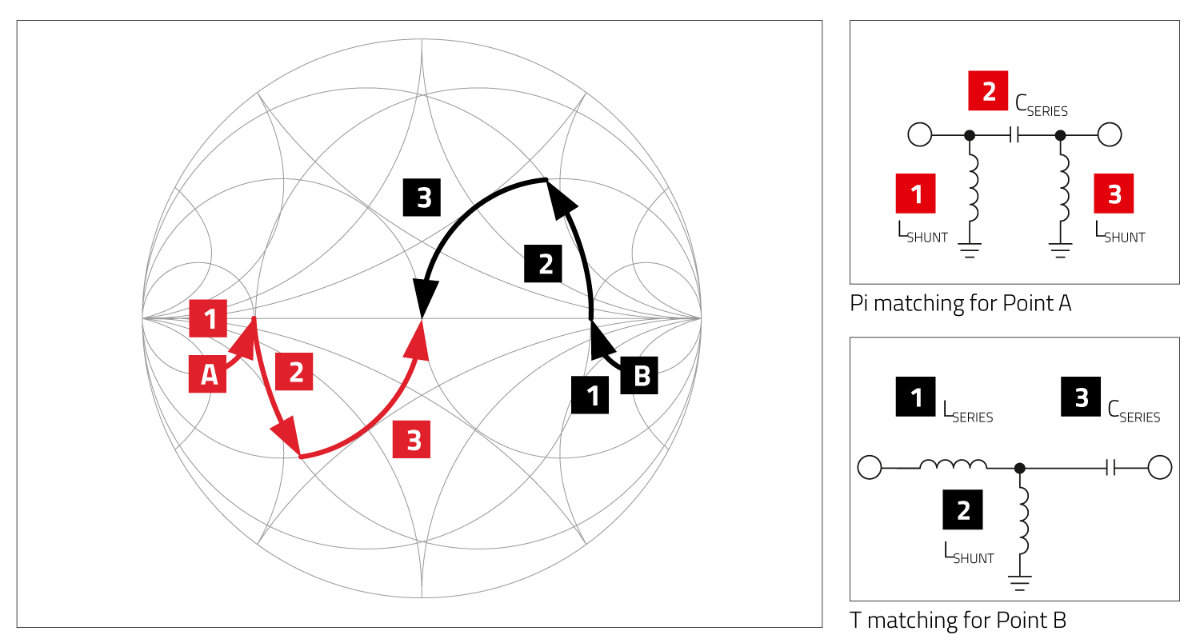
With the help of the Smith chart, the complex antenna feed point impedance, consisting of resistive and reactive values, can be represented graphically. In a matched antenna, the impedance at the operating frequency is close to the middle of the Smith chart and therefore close to the impedance of 50 Ω. This can be achieved by using RF inductors and RF capacitors. A pi matching network is particularly useful for this purpose, since it can be used flexibly for antenna matching from almost any other impedance. In practice, antenna matching works through iterative steps.
In addition to the WE-MCA Antennas, we offer our customers a development-accompanying antenna service. We support from the antenna selection over the antenna placement up to the antenna matching.
Website: www.we-online.com/antennamatching
E-Mail: antenna.matching@we-online.com
We are also offering an Antenna Matching Design Kit that contains all the components needed for your antenna matching. This Design Kit with order code 748001, contains chip antennas WE-MCA, multilayer ceramic inductors WE-MK size 0402, high frequency chip capacitors WCAP-CSRF in size 0402 and RF coaxial cables WR-CXARY working up to 18 GHz