IC manufacturers Infineon Technologies
IC manufacturers (108)
- All manufacturers
 Analog Devices
 Infineon Technologies
 Microchip
 Onsemi
 Renesas
 ROHM
ROHM STMicroelectronics
 Texas Instruments
- 3peak incorporated (35)
- Ablic (23)
- Acco Semiconductor (1)
- Advanced Power (4)
- Allegro Microsystems (100)
- Alpha & Omega Semiconductor (37)
- AnalogySemi (3)
- AnDAPT Inc (204)
- Anpec (13)
- AXElite (2)
- Backward (6)
- Bright Power Semiconductor (1)
- Broadcom (46)
- Cambridge GaN Devices (19)
- Chipanalog Micro (10)
- Cologne Chips (1)
- Convenient Power (1)
- Dialog Semiconductor (12)
- Diodes Incorporated (270)
- Divimath (8)
- Einnosemi (4)
- Elmos AG (1)
- EPC (147)
- e-Peas Semiconductors (1)
- Eta Solutions Co. Ltd. (9)
- GaN Systems (8)
- GaNPower (3)
- Giantec (1)
- Gosemicon (2)
- Gstek Wuxi (1)
- Helix Semiconductor (7)
- IKON (1)
- Indie Semiconductor (8)
- Innovision Semiconductor Inc (2)
- Intel (68)
- Inventchip Technology (3)
- ISSI (52)
- JoulWatt (20)
- KDPOF (3)
- Kinetic Technology (8)
- Lattice semiconductor Corporation (38)
- Linearin (2)
- Littelfuse (1)
- Lumissil Microsystems (12)
- M3 Technology (M3Tek) (7)
- Macnica (22)
- Marvell Semiconductor (1)
- MaxLinear (182)
- Menlo Micro (1)
- MikroE (25)
- MindCet (2)
- Monolithic Power Systems (999)
- Navitas Semiconductor Inc (6)
- NewEdge Technologies, Inc. (1)
- Nexperia (268)
- Nisshinbo Micro Device Inc. (10)
- Nordic Semiconductor (1)
- Novosense Micro (1)
- NXP (347)
- O2 Micro International Ltd (10)
- On Bright (7)
- Panasonic (2)
- PN Junction Semiconductor (2)
- Power Integrations (118)
- Powermat (1)
- Pulsiv (19)
- Qorvo (101)
- Realsil SuRealsil(tek) Microelectronics (1)
- Richtek (297)
- Sanken Electric Co., Ltd. (16)
- Sckipio (6)
- Semtech (86)
- SG-Micro (62)
- SiFive (2)
- Silanna Semiconductor (9)
- Silergy Corporation (34)
- Silicon Laboratory Inc. (108)
- Silicontent Technology (59)
- Silvertel (59)
- Skycore Semiconductors (1)
- Skyworks (33)
- Southchip (29)
- Summit Wireless (1)
- Tagore Tech (7)
- Taiwan Semiconductor (1)
- TDK Corporation (1)
- Tempo Semiconductor (1)
- Torex (37)
- Toshiba (31)
- Transphorm (21)
- TransSIP (2)
- Union (21)
- uPI Semiconductor (2)
- Valens Semiconductor (31)
- VisIC (1)
- Wise Integration (3)
- Wolfspeed (23)
- Xilinx (22)
- XL Semiconductor (3)
- XYSemi (62)
Infineon Technologies IMT40R011M2H | Demoboard REF_10KW_3LBUCK_SIC400
3-level flying capacitor buck with CoolSiC™ MOSFET 400 V G2
Overview
| Topology | Buck Converter |
| Input voltage | 55-400 V |
| Output 1 | 300 V / 24 A |
| Output 2 | 300 V / 34 A |
| IC revision | V1.0 |
Description
This document describes the details of the REF_10KW_3LBUCK_SIC400 evaluation platform and serves as a user guide for its safe operation. The topology used in this platform is a 3-level-flying capacitor Buck DC/DC converter, which can also be reconfigured to be used as a 2-level Buck DC/DC converter. The primary goal of the platform is to enable the evaluation of CoolSiC™ G2 400 V and 650 V MOSFETs in TOLL and D2PAK-7 packages, as well as the EiceDRIVER™ 1ED-series isolated gate-drivers, and XMC4400 MCUs for high performance SMPS applications.
Features
- Platform to evaluate CoolSiC™ 400 V or 650 V MOSFETs G2, benchmarking 3L vs 2L topologies by shorting outer leg MOSFETs QHSO and QLSO for 2L operation
- Flying capacitor balancing algorithm
- Low-cost and low-space discrete planar-transformer based isolated auxiliary gate drive supply for 4 x HF leg MOSFETs
- Support for testing bipolar vs. unipolar gate drive with adjustable driving voltage
- Gate drive is selectable with respect to Kelvin-Source (KS 4-terminal drive) or Power-Source (PS 3-terminal drive)
- Low commutation and gate-loop inductance in a high-power design with a heatsink for cooling
Typical applications
- Energy Storage Systems and UPS
- Server (AI) and telecom SMPS, High voltage solid state power distribution
- Motor control and drives
- Class-D Audio
- Renewables
More information
Parts approved by Infineon Technologies
Log in now to view availability and request availability forecasts. LOGIN
Order Code | Datasheet | Simulation | Downloads | Status | Product series | λDom typ.(nm) | Emitting Color | λPeak typ.(nm) | λPeak B typ.(nm) | λPeak G typ.(nm) | λPeak R typ.(nm) | λDom B typ.(nm) | λDom G typ.(nm) | λDom R typ.(nm) | IV typ.(mcd) | IV B typ.(mcd) | IV G typ.(mcd) | IV R typ.(mcd) | VF typ.(V) | VF B typ.(V) | VF G typ.(V) | VF R typ.(V) | Chip Technology | 2θ50% typ.(°) | SW(mm) | L(mm) | Ø OD(mm) | To | L(µH) | IR(A) | ISAT(A) | RDC max.(mΩ) | R | Tol. R | PRated(mW) | TCR(ppm/ °C) | TCR(ppm/ °C) | VE(V) | Version | Type | Mount | Operating Temperature | Packaging | Working Voltage(V (AC)) | W(mm) | H(mm) | IR(A) | Ti | Tl(mm) | Pins | SamplesAvailability & Sample | |||||||||||||||||||||||||||||||||||||||||||||||||||||||||||||||||||||||||||||||||||||||||||||||||||||||||||||||||||||||||||||||||||||||||||||||||||||||||||||||||||||||||||||||||||||||||||||||||||||||||||||||||||||||||||||||||||||||||||||||||||||||||||||||||||||||||||||||||||||||||||||||||||||||||||||||||||||||||||||||||||||||||||||||||||||||||||||||||||||||||||||||||||||||||||||||||||||||||||||||||||||||||||||||||||||||||||||||||||||||||||||||||||||||||||||||||||||||||||||||||||||||||||||||||||||||||||||||||||||||||||||||||||||||||||||||||||||||||||||||||||||||||||||||||||||||||||||||||||||||||||||||||||||||||||||||||||||||||||||||||||||||||||||||||||||||||||||||||||||||||||||||||||||||||||||||||||||||||||||||||||||||||||||||||||||||||||||||||||||||||||||||||||||||||||||||||||||||||||||||||||||||||||||||||||||||||||||||||||||||||||||||||||||||||||||||||||||||||||||||||||||||||||||||||||||||||||||||||||||||||||||||||||||||||||||||||||
|---|---|---|---|---|---|---|---|---|---|---|---|---|---|---|---|---|---|---|---|---|---|---|---|---|---|---|---|---|---|---|---|---|---|---|---|---|---|---|---|---|---|---|---|---|---|---|---|---|---|---|---|---|---|---|---|---|---|---|---|---|---|---|---|---|---|---|---|---|---|---|---|---|---|---|---|---|---|---|---|---|---|---|---|---|---|---|---|---|---|---|---|---|---|---|---|---|---|---|---|---|---|---|---|---|---|---|---|---|---|---|---|---|---|---|---|---|---|---|---|---|---|---|---|---|---|---|---|---|---|---|---|---|---|---|---|---|---|---|---|---|---|---|---|---|---|---|---|---|---|---|---|---|---|---|---|---|---|---|---|---|---|---|---|---|---|---|---|---|---|---|---|---|---|---|---|---|---|---|---|---|---|---|---|---|---|---|---|---|---|---|---|---|---|---|---|---|---|---|---|---|---|---|---|---|---|---|---|---|---|---|---|---|---|---|---|---|---|---|---|---|---|---|---|---|---|---|---|---|---|---|---|---|---|---|---|---|---|---|---|---|---|---|---|---|---|---|---|---|---|---|---|---|---|---|---|---|---|---|---|---|---|---|---|---|---|---|---|---|---|---|---|---|---|---|---|---|---|---|---|---|---|---|---|---|---|---|---|---|---|---|---|---|---|---|---|---|---|---|---|---|---|---|---|---|---|---|---|---|---|---|---|---|---|---|---|---|---|---|---|---|---|---|---|---|---|---|---|---|---|---|---|---|---|---|---|---|---|---|---|---|---|---|---|---|---|---|---|---|---|---|---|---|---|---|---|---|---|---|---|---|---|---|---|---|---|---|---|---|---|---|---|---|---|---|---|---|---|---|---|---|---|---|---|---|---|---|---|---|---|---|---|---|---|---|---|---|---|---|---|---|---|---|---|---|---|---|---|---|---|---|---|---|---|---|---|---|---|---|---|---|---|---|---|---|---|---|---|---|---|---|---|---|---|---|---|---|---|---|---|---|---|---|---|---|---|---|---|---|---|---|---|---|---|---|---|---|---|---|---|---|---|---|---|---|---|---|---|---|---|---|---|---|---|---|---|---|---|---|---|---|---|---|---|---|---|---|---|---|---|---|---|---|---|---|---|---|---|---|---|---|---|---|---|---|---|---|---|---|---|---|---|---|---|---|---|---|---|---|---|---|---|---|---|---|---|---|---|---|---|---|---|---|---|---|---|---|---|---|---|---|---|---|---|---|---|---|---|---|---|---|---|---|---|---|---|---|---|---|---|---|---|---|---|---|---|---|---|---|---|---|---|---|---|---|---|---|---|---|---|---|---|---|---|---|---|---|---|---|---|---|---|---|---|---|---|---|---|---|---|---|---|---|---|---|---|---|---|---|---|---|---|---|---|---|---|---|---|---|---|---|---|---|---|---|---|---|---|---|---|---|---|---|---|---|---|---|---|---|---|---|---|---|---|---|---|---|---|---|---|---|---|---|---|---|---|---|---|---|---|---|---|---|---|---|---|---|---|---|---|---|---|---|---|---|---|---|---|---|---|---|---|---|---|---|---|---|---|---|---|---|---|---|---|---|---|---|---|---|---|---|---|---|---|---|---|---|---|---|---|---|---|---|---|---|---|---|---|---|---|---|---|---|---|---|---|---|---|---|---|---|---|---|---|---|---|---|---|---|---|---|---|---|---|---|---|---|---|---|---|---|---|---|---|---|---|---|---|---|---|---|---|---|---|---|---|---|---|---|---|---|---|---|---|---|---|---|---|---|---|---|---|---|---|---|---|---|---|---|---|---|---|---|---|---|---|---|---|---|---|---|---|---|---|---|---|---|---|---|---|---|---|---|---|---|---|---|---|---|---|---|---|---|---|---|---|---|---|---|---|---|---|---|---|---|---|---|---|---|---|---|---|---|---|---|---|---|---|---|---|---|---|---|---|---|---|---|---|---|---|---|---|---|---|---|---|---|---|---|---|---|---|---|---|---|---|---|---|---|---|---|---|---|---|---|---|---|---|---|---|---|---|---|---|---|---|---|---|---|---|---|---|---|---|---|---|---|---|---|---|---|---|---|---|---|---|---|---|---|---|---|---|---|---|---|---|---|---|---|---|---|---|---|---|---|---|---|---|---|---|---|---|---|---|---|---|---|---|---|---|---|---|---|---|---|---|---|---|---|---|---|---|---|---|---|---|---|---|---|---|---|---|---|---|---|---|---|---|---|---|---|---|---|---|---|---|---|---|---|---|---|---|---|---|---|---|---|---|---|
| Log in now to view availability and request availability forecasts. LOGIN | ||||||||||||||||||||||||||||||||||||||||||||||||||||||||||||||||||||||||||||||||||||||||||||||||||||||||||||||||||||||||||||||||||||||||||||||||||||||||||||||||||||||||||||||||||||||||||||||||||||||||||||||||||||||||||||||||||||||||||||||||||||||||||||||||||||||||||||||||||||||||||||||||||||||||||||||||||||||||||||||||||||||||||||||||||||||||||||||||||||||||||||||||||||||||||||||||||||||||||||||||||||||||||||||||||||||||||||||||||||||||||||||||||||||||||||||||||||||||||||||||||||||||||||||||||||||||||||||||||||||||||||||||||||||||||||||||||||||||||||||||||||||||||||||||||||||||||||||||||||||||||||||||||||||||||||||||||||||||||||||||||||||||||||||||||||||||||||||||||||||||||||||||||||||||||||||||||||||||||||||||||||||||||||||||||||||||||||||||||||||||||||||||||||||||||||||||||||||||||||||||||||||||||||||||||||||||||||||||||||||||||||||||||||||||||||||||||||||||||||||||||||||||||||||||||||||||||||||||||||||||||||||||||||||||||||||||||||||||||||||||||||||||||||||||||||||||||||||||||||||
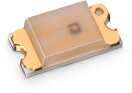 | SPECWL-SMCD SMT Mono-color Chip LED Diffused, 525 nm, Green | Availability – | Downloads26 files RAY files
| Status ActiveProduction is active. Expected lifetime: >10 years. iProduction is active. Expected lifetime: >10 years. | Product seriesWL-SMCD SMT Mono-color Chip LED Diffused | Dominant Wavelength [typ.]525 nm | Emitting ColorGreen | Peak Wavelength [typ.]520 nm | – | – | – | – | – | – | Luminous Intensity [typ.]430 mcd | – | – | – | Forward Voltage [typ.]3.2 V | – | – | – | Chip TechnologyInGaN | Viewing Angle Phi 0° [typ.]140 ° | – | Length1.6 mm | – | – | – | – | – | – | – | – | – | – | – | – | – | – | MountSMT | Operating Temperature -40 °C up to +85 °C | PackagingTape and Reel | – | Width0.8 mm | Height0.4 mm | – | – | – | – | –Check availability | |||||||||||||||||||||||||||||||||||||||||||||||||||||||||||||||||||||||||||||||||||||||||||||||||||||||||||||||||||||||||||||||||||||||||||||||||||||||||||||||||||||||||||||||||||||||||||||||||||||||||||||||||||||||||||||||||||||||||||||||||||||||||||||||||||||||||||||||||||||||||||||||||||||||||||||||||||||||||||||||||||||||||||||||||||||||||||||||||||||||||||||||||||||||||||||||||||||||||||||||||||||||||||||||||||||||||||||||||||||||||||||||||||||||||||||||||||||||||||||||||||||||||||||||||||||||||||||||||||||||||||||||||||||||||||||||||||||||||||||||||||||||||||||||||||||||||||||||||||||||||||||||||||||||||||||||||||||||||||||||||||||||||||||||||||||||||||||||||||||||||||||||||||||||||||||||||||||||||||||||||||||||||||||||||||||||||||||||||||||||||||||||||||||||||||||||||||||||||||||||||||||||||||||||||||||||||||||||||||||||||||||||||||||||||||||||||||||||||||||||||||||||||||||||||||||||||||||||||||||||||||||||||||||||||||||||||||
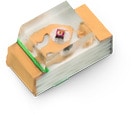 | SPECWL-SMSW SMT Mono-color Side View Waterclear, 630 nm, Super Red | Availability – | Status ActiveProduction is active. Expected lifetime: >10 years. iProduction is active. Expected lifetime: >10 years. | Product seriesWL-SMSW SMT Mono-color Side View Waterclear | Dominant Wavelength [typ.]630 nm | Emitting ColorSuper Red | Peak Wavelength [typ.]645 nm | – | – | – | – | – | – | Luminous Intensity [typ.]80 mcd | – | – | – | Forward Voltage [typ.]2 V | – | – | – | Chip TechnologyAlInGaP | Viewing Angle Phi 0° [typ.]140 ° | – | Length1.6 mm | – | – | – | – | – | – | – | – | – | – | – | – | – | – | MountSMT | Operating Temperature -40 °C up to +85 °C | – | – | Width0.98 mm | Height0.8 mm | – | – | – | – | –Check availability | ||||||||||||||||||||||||||||||||||||||||||||||||||||||||||||||||||||||||||||||||||||||||||||||||||||||||||||||||||||||||||||||||||||||||||||||||||||||||||||||||||||||||||||||||||||||||||||||||||||||||||||||||||||||||||||||||||||||||||||||||||||||||||||||||||||||||||||||||||||||||||||||||||||||||||||||||||||||||||||||||||||||||||||||||||||||||||||||||||||||||||||||||||||||||||||||||||||||||||||||||||||||||||||||||||||||||||||||||||||||||||||||||||||||||||||||||||||||||||||||||||||||||||||||||||||||||||||||||||||||||||||||||||||||||||||||||||||||||||||||||||||||||||||||||||||||||||||||||||||||||||||||||||||||||||||||||||||||||||||||||||||||||||||||||||||||||||||||||||||||||||||||||||||||||||||||||||||||||||||||||||||||||||||||||||||||||||||||||||||||||||||||||||||||||||||||||||||||||||||||||||||||||||||||||||||||||||||||||||||||||||||||||||||||||||||||||||||||||||||||||||||||||||||||||||||||||||||||||||||||||||||||||||||||||||||||||||||
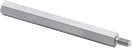 | SPECWA-SBRIE Brass Spacer Stud, metric, internal/external, –, – | Simulation– | Availability – | Status ActiveProduction is active. Expected lifetime: >10 years. iProduction is active. Expected lifetime: >10 years. | Product seriesWA-SBRIE Brass Spacer Stud, metric, internal/external | – | – | – | – | – | – | – | – | – | – | – | – | – | – | – | – | – | – | – | SW5.5 mm | Length60 mm | – | Outer ThreadM3 | – | – | – | – | – | – | – | – | – | – | – | – | – | Operating Temperature -55 °C up to +150 °C | PackagingCarton | – | – | – | – | Inner ThreadM3 | – | – | –Check availability | |||||||||||||||||||||||||||||||||||||||||||||||||||||||||||||||||||||||||||||||||||||||||||||||||||||||||||||||||||||||||||||||||||||||||||||||||||||||||||||||||||||||||||||||||||||||||||||||||||||||||||||||||||||||||||||||||||||||||||||||||||||||||||||||||||||||||||||||||||||||||||||||||||||||||||||||||||||||||||||||||||||||||||||||||||||||||||||||||||||||||||||||||||||||||||||||||||||||||||||||||||||||||||||||||||||||||||||||||||||||||||||||||||||||||||||||||||||||||||||||||||||||||||||||||||||||||||||||||||||||||||||||||||||||||||||||||||||||||||||||||||||||||||||||||||||||||||||||||||||||||||||||||||||||||||||||||||||||||||||||||||||||||||||||||||||||||||||||||||||||||||||||||||||||||||||||||||||||||||||||||||||||||||||||||||||||||||||||||||||||||||||||||||||||||||||||||||||||||||||||||||||||||||||||||||||||||||||||||||||||||||||||||||||||||||||||||||||||||||||||||||||||||||||||||||||||||||||||||||||||||||||||||||||||||||||||||||
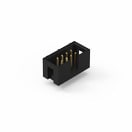 | SPECWR-BHD 2.54 mm Male, –, – | Simulation– | Availability – | Status ActiveProduction is active. Expected lifetime: >10 years. iProduction is active. Expected lifetime: >10 years. | Product seriesWR-BHD 2.54 mm Male | – | – | – | – | – | – | – | – | – | – | – | – | – | – | – | – | – | – | – | – | Length17.82 mm | – | – | – | Rated Current3 A | – | – | – | – | – | – | – | – | VersionLow Profile | TypeStraight | MountTHT | Operating Temperature -40 °C up to +105 °C | PackagingTray | Working Voltage250 V (AC) | – | – | – | – | – | Pins8 | –Check availability | |||||||||||||||||||||||||||||||||||||||||||||||||||||||||||||||||||||||||||||||||||||||||||||||||||||||||||||||||||||||||||||||||||||||||||||||||||||||||||||||||||||||||||||||||||||||||||||||||||||||||||||||||||||||||||||||||||||||||||||||||||||||||||||||||||||||||||||||||||||||||||||||||||||||||||||||||||||||||||||||||||||||||||||||||||||||||||||||||||||||||||||||||||||||||||||||||||||||||||||||||||||||||||||||||||||||||||||||||||||||||||||||||||||||||||||||||||||||||||||||||||||||||||||||||||||||||||||||||||||||||||||||||||||||||||||||||||||||||||||||||||||||||||||||||||||||||||||||||||||||||||||||||||||||||||||||||||||||||||||||||||||||||||||||||||||||||||||||||||||||||||||||||||||||||||||||||||||||||||||||||||||||||||||||||||||||||||||||||||||||||||||||||||||||||||||||||||||||||||||||||||||||||||||||||||||||||||||||||||||||||||||||||||||||||||||||||||||||||||||||||||||||||||||||||||||||||||||||||||||||||||||||||||||||||||||||||||
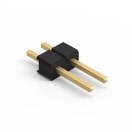 | SPECWR-PHD Pin Header - Single, –, – | Simulation– | Availability – | Status ActiveProduction is active. Expected lifetime: >10 years. iProduction is active. Expected lifetime: >10 years. | Product seriesWR-PHD Pin Header - Single | – | – | – | – | – | – | – | – | – | – | – | – | – | – | – | – | – | – | – | – | Length5.08 mm | – | – | – | Rated Current3 A | – | – | – | – | – | – | – | – | – | TypeStraight | MountTHT | Operating Temperature -40 °C up to +105 °C | PackagingBag | Working Voltage250 V (AC) | – | – | – | – | – | Pins2 | –Check availability | |||||||||||||||||||||||||||||||||||||||||||||||||||||||||||||||||||||||||||||||||||||||||||||||||||||||||||||||||||||||||||||||||||||||||||||||||||||||||||||||||||||||||||||||||||||||||||||||||||||||||||||||||||||||||||||||||||||||||||||||||||||||||||||||||||||||||||||||||||||||||||||||||||||||||||||||||||||||||||||||||||||||||||||||||||||||||||||||||||||||||||||||||||||||||||||||||||||||||||||||||||||||||||||||||||||||||||||||||||||||||||||||||||||||||||||||||||||||||||||||||||||||||||||||||||||||||||||||||||||||||||||||||||||||||||||||||||||||||||||||||||||||||||||||||||||||||||||||||||||||||||||||||||||||||||||||||||||||||||||||||||||||||||||||||||||||||||||||||||||||||||||||||||||||||||||||||||||||||||||||||||||||||||||||||||||||||||||||||||||||||||||||||||||||||||||||||||||||||||||||||||||||||||||||||||||||||||||||||||||||||||||||||||||||||||||||||||||||||||||||||||||||||||||||||||||||||||||||||||||||||||||||||||||||||||||||||||
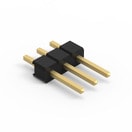 | SPECWR-PHD Pin Header - Single, –, – | Simulation– | Availability – | Status ActiveProduction is active. Expected lifetime: >10 years. iProduction is active. Expected lifetime: >10 years. | Product seriesWR-PHD Pin Header - Single | – | – | – | – | – | – | – | – | – | – | – | – | – | – | – | – | – | – | – | – | Length7.62 mm | – | – | – | Rated Current3 A | – | – | – | – | – | – | – | – | – | TypeStraight | MountTHT | Operating Temperature -40 °C up to +105 °C | PackagingBag | Working Voltage250 V (AC) | – | – | – | – | – | Pins3 | –Check availability | |||||||||||||||||||||||||||||||||||||||||||||||||||||||||||||||||||||||||||||||||||||||||||||||||||||||||||||||||||||||||||||||||||||||||||||||||||||||||||||||||||||||||||||||||||||||||||||||||||||||||||||||||||||||||||||||||||||||||||||||||||||||||||||||||||||||||||||||||||||||||||||||||||||||||||||||||||||||||||||||||||||||||||||||||||||||||||||||||||||||||||||||||||||||||||||||||||||||||||||||||||||||||||||||||||||||||||||||||||||||||||||||||||||||||||||||||||||||||||||||||||||||||||||||||||||||||||||||||||||||||||||||||||||||||||||||||||||||||||||||||||||||||||||||||||||||||||||||||||||||||||||||||||||||||||||||||||||||||||||||||||||||||||||||||||||||||||||||||||||||||||||||||||||||||||||||||||||||||||||||||||||||||||||||||||||||||||||||||||||||||||||||||||||||||||||||||||||||||||||||||||||||||||||||||||||||||||||||||||||||||||||||||||||||||||||||||||||||||||||||||||||||||||||||||||||||||||||||||||||||||||||||||||||||||||||||||||
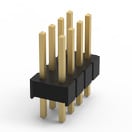 | SPECWR-PHD Pin Header - Dual, –, – PCN pendingDue to a pending PCN, a modification of the component will be implemented soon. Please find the PCN below. If you have further questions please get in contact with our sales staff. | Simulation– | Availability – | Status ActiveProduction is active. Expected lifetime: >10 years. iProduction is active. Expected lifetime: >10 years. | Product seriesWR-PHD Pin Header - Dual | – | – | – | – | – | – | – | – | – | – | – | – | – | – | – | – | – | – | – | – | Length10.16 mm | – | – | – | Rated Current3 A | – | – | – | – | – | – | – | – | – | TypeStraight | MountTHT | Operating Temperature -40 °C up to +105 °C | PackagingBag | Working Voltage250 V (AC) | – | – | Rated Current3 A | – | – | Pins8 | –Check availability | |||||||||||||||||||||||||||||||||||||||||||||||||||||||||||||||||||||||||||||||||||||||||||||||||||||||||||||||||||||||||||||||||||||||||||||||||||||||||||||||||||||||||||||||||||||||||||||||||||||||||||||||||||||||||||||||||||||||||||||||||||||||||||||||||||||||||||||||||||||||||||||||||||||||||||||||||||||||||||||||||||||||||||||||||||||||||||||||||||||||||||||||||||||||||||||||||||||||||||||||||||||||||||||||||||||||||||||||||||||||||||||||||||||||||||||||||||||||||||||||||||||||||||||||||||||||||||||||||||||||||||||||||||||||||||||||||||||||||||||||||||||||||||||||||||||||||||||||||||||||||||||||||||||||||||||||||||||||||||||||||||||||||||||||||||||||||||||||||||||||||||||||||||||||||||||||||||||||||||||||||||||||||||||||||||||||||||||||||||||||||||||||||||||||||||||||||||||||||||||||||||||||||||||||||||||||||||||||||||||||||||||||||||||||||||||||||||||||||||||||||||||||||||||||||||||||||||||||||||||||||||||||||||||||||||||||||||
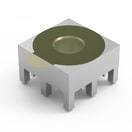 | SPECWP-THRBU REDCUBE THR with internal through-hole thread, –, – | Simulation– | Availability – | Status ActiveProduction is active. Expected lifetime: >10 years. iProduction is active. Expected lifetime: >10 years. | Product seriesWP-THRBU REDCUBE THR with internal through-hole thread | – | – | – | – | – | – | – | – | – | – | – | – | – | – | – | – | – | – | – | – | – | – | – | – | Rated Current85 A | – | – | – | – | – | – | – | – | – | – | MountTHR | Operating Temperature -55 °C up to +150 °C | PackagingTape and Reel | – | Width10 mm | Height4 mm | – | Inner ThreadM5 | Thread Length3.5 mm | Pins8 | –Check availability | |||||||||||||||||||||||||||||||||||||||||||||||||||||||||||||||||||||||||||||||||||||||||||||||||||||||||||||||||||||||||||||||||||||||||||||||||||||||||||||||||||||||||||||||||||||||||||||||||||||||||||||||||||||||||||||||||||||||||||||||||||||||||||||||||||||||||||||||||||||||||||||||||||||||||||||||||||||||||||||||||||||||||||||||||||||||||||||||||||||||||||||||||||||||||||||||||||||||||||||||||||||||||||||||||||||||||||||||||||||||||||||||||||||||||||||||||||||||||||||||||||||||||||||||||||||||||||||||||||||||||||||||||||||||||||||||||||||||||||||||||||||||||||||||||||||||||||||||||||||||||||||||||||||||||||||||||||||||||||||||||||||||||||||||||||||||||||||||||||||||||||||||||||||||||||||||||||||||||||||||||||||||||||||||||||||||||||||||||||||||||||||||||||||||||||||||||||||||||||||||||||||||||||||||||||||||||||||||||||||||||||||||||||||||||||||||||||||||||||||||||||||||||||||||||||||||||||||||||||||||||||||||||||||||||||||||||||
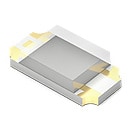 | SPECWL-SFCW SMT Full-color Chip LED Waterclear, –, Red & Green & Blue | Simulation– | Availability – | Status ActiveProduction is active. Expected lifetime: >10 years. iProduction is active. Expected lifetime: >10 years. | Product seriesWL-SFCW SMT Full-color Chip LED Waterclear | – | Emitting ColorRed & Green & Blue | – | Peak Wavelength (Blue) [typ.]468 nm | Peak Wavelength (Green) [typ.]520 nm | Peak Wavelength (Red) [typ.]632 nm | Dominant Wavelength (Blue) [typ.]470 nm | Dominant Wavelength (Green) [typ.]525 nm | Dominant Wavelength (Red) [typ.]624 nm | – | Luminous Intensity (Blue) [typ.]350 mcd | Luminous Intensity (Green) [typ.]1000 mcd | Luminous Intensity (Red) [typ.]360 mcd | – | Forward Voltage (Blue) [typ.]3.3 V | Forward Voltage (Green) [typ.]3.3 V | Forward Voltage (Red) [typ.]2 V | Chip TechnologyAlInGaP + InGaN | Viewing Angle Phi 0° [typ.]120 ° | – | Length3.2 mm | – | – | – | – | – | – | – | – | – | – | – | – | – | – | – | Operating Temperature -40 °C up to +85 °C | – | – | Width1.6 mm | Height0.7 mm | – | – | – | – | –Check availability | |||||||||||||||||||||||||||||||||||||||||||||||||||||||||||||||||||||||||||||||||||||||||||||||||||||||||||||||||||||||||||||||||||||||||||||||||||||||||||||||||||||||||||||||||||||||||||||||||||||||||||||||||||||||||||||||||||||||||||||||||||||||||||||||||||||||||||||||||||||||||||||||||||||||||||||||||||||||||||||||||||||||||||||||||||||||||||||||||||||||||||||||||||||||||||||||||||||||||||||||||||||||||||||||||||||||||||||||||||||||||||||||||||||||||||||||||||||||||||||||||||||||||||||||||||||||||||||||||||||||||||||||||||||||||||||||||||||||||||||||||||||||||||||||||||||||||||||||||||||||||||||||||||||||||||||||||||||||||||||||||||||||||||||||||||||||||||||||||||||||||||||||||||||||||||||||||||||||||||||||||||||||||||||||||||||||||||||||||||||||||||||||||||||||||||||||||||||||||||||||||||||||||||||||||||||||||||||||||||||||||||||||||||||||||||||||||||||||||||||||||||||||||||||||||||||||||||||||||||||||||||||||||||||||||||||||||||
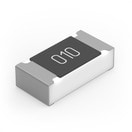 | SPECWRIS-RSKS Thick Film Resistors, –, – | Availability – | Downloads7 files | Status ActiveProduction is active. Expected lifetime: >10 years. iProduction is active. Expected lifetime: >10 years. | Product seriesWRIS-RSKS Thick Film Resistors | – | – | – | – | – | – | – | – | – | – | – | – | – | – | – | – | – | – | – | – | Length1 mm | – | – | – | Rated Current1 A | – | – | Resistance0 Ω | Resistance+0.05Ω/-0Ω | Rated Power62.5 mW | – | – | – | – | – | MountSMT | Operating Temperature -55 °C up to +155 °C | – | – | Width0.5 mm | Height0.35 mm | – | – | – | – | –Check availability | |||||||||||||||||||||||||||||||||||||||||||||||||||||||||||||||||||||||||||||||||||||||||||||||||||||||||||||||||||||||||||||||||||||||||||||||||||||||||||||||||||||||||||||||||||||||||||||||||||||||||||||||||||||||||||||||||||||||||||||||||||||||||||||||||||||||||||||||||||||||||||||||||||||||||||||||||||||||||||||||||||||||||||||||||||||||||||||||||||||||||||||||||||||||||||||||||||||||||||||||||||||||||||||||||||||||||||||||||||||||||||||||||||||||||||||||||||||||||||||||||||||||||||||||||||||||||||||||||||||||||||||||||||||||||||||||||||||||||||||||||||||||||||||||||||||||||||||||||||||||||||||||||||||||||||||||||||||||||||||||||||||||||||||||||||||||||||||||||||||||||||||||||||||||||||||||||||||||||||||||||||||||||||||||||||||||||||||||||||||||||||||||||||||||||||||||||||||||||||||||||||||||||||||||||||||||||||||||||||||||||||||||||||||||||||||||||||||||||||||||||||||||||||||||||||||||||||||||||||||||||||||||||||||||||||||||||||
| SPECWRIS-RSKS Thick Film Resistors, –, – | Availability – | Downloads7 files | Status ActiveProduction is active. Expected lifetime: >10 years. iProduction is active. Expected lifetime: >10 years. | Product seriesWRIS-RSKS Thick Film Resistors | – | – | – | – | – | – | – | – | – | – | – | – | – | – | – | – | – | – | – | – | Length1 mm | – | – | – | – | – | – | Resistance120 Ω | Resistance±1% | Rated Power100 mW | Temperature Coefficient of Resistance (min.)-100 ppm/ °C | Temperature Coefficient of Resistance (max.)100 ppm/ °C | Limiting Element Voltage50 V | – | – | MountSMT | Operating Temperature -55 °C up to +155 °C | – | – | Width0.5 mm | Height0.35 mm | – | – | – | – | –Check availability | |||||||||||||||||||||||||||||||||||||||||||||||||||||||||||||||||||||||||||||||||||||||||||||||||||||||||||||||||||||||||||||||||||||||||||||||||||||||||||||||||||||||||||||||||||||||||||||||||||||||||||||||||||||||||||||||||||||||||||||||||||||||||||||||||||||||||||||||||||||||||||||||||||||||||||||||||||||||||||||||||||||||||||||||||||||||||||||||||||||||||||||||||||||||||||||||||||||||||||||||||||||||||||||||||||||||||||||||||||||||||||||||||||||||||||||||||||||||||||||||||||||||||||||||||||||||||||||||||||||||||||||||||||||||||||||||||||||||||||||||||||||||||||||||||||||||||||||||||||||||||||||||||||||||||||||||||||||||||||||||||||||||||||||||||||||||||||||||||||||||||||||||||||||||||||||||||||||||||||||||||||||||||||||||||||||||||||||||||||||||||||||||||||||||||||||||||||||||||||||||||||||||||||||||||||||||||||||||||||||||||||||||||||||||||||||||||||||||||||||||||||||||||||||||||||||||||||||||||||||||||||||||||||||||||||||||||||
| SPECWRIS-RSKS Thick Film Resistors, –, – | Availability – | Downloads7 files | Status ActiveProduction is active. Expected lifetime: >10 years. iProduction is active. Expected lifetime: >10 years. | Product seriesWRIS-RSKS Thick Film Resistors | – | – | – | – | – | – | – | – | – | – | – | – | – | – | – | – | – | – | – | – | Length1 mm | – | – | – | – | – | – | Resistance14 kΩ | Resistance±1% | Rated Power100 mW | Temperature Coefficient of Resistance (min.)-100 ppm/ °C | Temperature Coefficient of Resistance (max.)100 ppm/ °C | Limiting Element Voltage50 V | – | – | MountSMT | Operating Temperature -55 °C up to +155 °C | – | – | Width0.5 mm | Height0.35 mm | – | – | – | – | –Check availability | |||||||||||||||||||||||||||||||||||||||||||||||||||||||||||||||||||||||||||||||||||||||||||||||||||||||||||||||||||||||||||||||||||||||||||||||||||||||||||||||||||||||||||||||||||||||||||||||||||||||||||||||||||||||||||||||||||||||||||||||||||||||||||||||||||||||||||||||||||||||||||||||||||||||||||||||||||||||||||||||||||||||||||||||||||||||||||||||||||||||||||||||||||||||||||||||||||||||||||||||||||||||||||||||||||||||||||||||||||||||||||||||||||||||||||||||||||||||||||||||||||||||||||||||||||||||||||||||||||||||||||||||||||||||||||||||||||||||||||||||||||||||||||||||||||||||||||||||||||||||||||||||||||||||||||||||||||||||||||||||||||||||||||||||||||||||||||||||||||||||||||||||||||||||||||||||||||||||||||||||||||||||||||||||||||||||||||||||||||||||||||||||||||||||||||||||||||||||||||||||||||||||||||||||||||||||||||||||||||||||||||||||||||||||||||||||||||||||||||||||||||||||||||||||||||||||||||||||||||||||||||||||||||||||||||||||||||
| SPECWRIS-RSKS Thick Film Resistors, –, – | Availability – | Status ActiveProduction is active. Expected lifetime: >10 years. iProduction is active. Expected lifetime: >10 years. | Product seriesWRIS-RSKS Thick Film Resistors | – | – | – | – | – | – | – | – | – | – | – | – | – | – | – | – | – | – | – | – | Length1.6 mm | – | – | – | – | – | – | Resistance1 kΩ | Resistance±1% | Rated Power100 mW | Temperature Coefficient of Resistance (min.)-100 ppm/ °C | Temperature Coefficient of Resistance (max.)100 ppm/ °C | Limiting Element Voltage75 V | – | – | MountSMT | Operating Temperature -55 °C up to +155 °C | – | – | Width0.8 mm | Height0.45 mm | – | – | – | – | –Check availability | ||||||||||||||||||||||||||||||||||||||||||||||||||||||||||||||||||||||||||||||||||||||||||||||||||||||||||||||||||||||||||||||||||||||||||||||||||||||||||||||||||||||||||||||||||||||||||||||||||||||||||||||||||||||||||||||||||||||||||||||||||||||||||||||||||||||||||||||||||||||||||||||||||||||||||||||||||||||||||||||||||||||||||||||||||||||||||||||||||||||||||||||||||||||||||||||||||||||||||||||||||||||||||||||||||||||||||||||||||||||||||||||||||||||||||||||||||||||||||||||||||||||||||||||||||||||||||||||||||||||||||||||||||||||||||||||||||||||||||||||||||||||||||||||||||||||||||||||||||||||||||||||||||||||||||||||||||||||||||||||||||||||||||||||||||||||||||||||||||||||||||||||||||||||||||||||||||||||||||||||||||||||||||||||||||||||||||||||||||||||||||||||||||||||||||||||||||||||||||||||||||||||||||||||||||||||||||||||||||||||||||||||||||||||||||||||||||||||||||||||||||||||||||||||||||||||||||||||||||||||||||||||||||||||||||||||||||||
| SPECWRIS-RSKS Thick Film Resistors, –, – | Availability – | Downloads7 files | Status ActiveProduction is active. Expected lifetime: >10 years. iProduction is active. Expected lifetime: >10 years. | Product seriesWRIS-RSKS Thick Film Resistors | – | – | – | – | – | – | – | – | – | – | – | – | – | – | – | – | – | – | – | – | Length1 mm | – | – | – | – | – | – | Resistance6.8 kΩ | Resistance±1% | Rated Power100 mW | Temperature Coefficient of Resistance (min.)-100 ppm/ °C | Temperature Coefficient of Resistance (max.)100 ppm/ °C | Limiting Element Voltage50 V | – | – | MountSMT | Operating Temperature -55 °C up to +155 °C | – | – | Width0.5 mm | Height0.35 mm | – | – | – | – | –Check availability | |||||||||||||||||||||||||||||||||||||||||||||||||||||||||||||||||||||||||||||||||||||||||||||||||||||||||||||||||||||||||||||||||||||||||||||||||||||||||||||||||||||||||||||||||||||||||||||||||||||||||||||||||||||||||||||||||||||||||||||||||||||||||||||||||||||||||||||||||||||||||||||||||||||||||||||||||||||||||||||||||||||||||||||||||||||||||||||||||||||||||||||||||||||||||||||||||||||||||||||||||||||||||||||||||||||||||||||||||||||||||||||||||||||||||||||||||||||||||||||||||||||||||||||||||||||||||||||||||||||||||||||||||||||||||||||||||||||||||||||||||||||||||||||||||||||||||||||||||||||||||||||||||||||||||||||||||||||||||||||||||||||||||||||||||||||||||||||||||||||||||||||||||||||||||||||||||||||||||||||||||||||||||||||||||||||||||||||||||||||||||||||||||||||||||||||||||||||||||||||||||||||||||||||||||||||||||||||||||||||||||||||||||||||||||||||||||||||||||||||||||||||||||||||||||||||||||||||||||||||||||||||||||||||||||||||||||||
| SPECWRIS-RSKS Thick Film Resistors, –, – | Availability – | Downloads7 files | Status ActiveProduction is active. Expected lifetime: >10 years. iProduction is active. Expected lifetime: >10 years. | Product seriesWRIS-RSKS Thick Film Resistors | – | – | – | – | – | – | – | – | – | – | – | – | – | – | – | – | – | – | – | – | Length1 mm | – | – | – | – | – | – | Resistance15.4 kΩ | Resistance±1% | Rated Power100 mW | Temperature Coefficient of Resistance (min.)-100 ppm/ °C | Temperature Coefficient of Resistance (max.)100 ppm/ °C | Limiting Element Voltage50 V | – | – | MountSMT | Operating Temperature -55 °C up to +155 °C | – | – | Width0.5 mm | Height0.35 mm | – | – | – | – | –Check availability | |||||||||||||||||||||||||||||||||||||||||||||||||||||||||||||||||||||||||||||||||||||||||||||||||||||||||||||||||||||||||||||||||||||||||||||||||||||||||||||||||||||||||||||||||||||||||||||||||||||||||||||||||||||||||||||||||||||||||||||||||||||||||||||||||||||||||||||||||||||||||||||||||||||||||||||||||||||||||||||||||||||||||||||||||||||||||||||||||||||||||||||||||||||||||||||||||||||||||||||||||||||||||||||||||||||||||||||||||||||||||||||||||||||||||||||||||||||||||||||||||||||||||||||||||||||||||||||||||||||||||||||||||||||||||||||||||||||||||||||||||||||||||||||||||||||||||||||||||||||||||||||||||||||||||||||||||||||||||||||||||||||||||||||||||||||||||||||||||||||||||||||||||||||||||||||||||||||||||||||||||||||||||||||||||||||||||||||||||||||||||||||||||||||||||||||||||||||||||||||||||||||||||||||||||||||||||||||||||||||||||||||||||||||||||||||||||||||||||||||||||||||||||||||||||||||||||||||||||||||||||||||||||||||||||||||||||||
| SPECWRIS-RSKS Thick Film Resistors, –, – | Availability – | Downloads7 files | Status ActiveProduction is active. Expected lifetime: >10 years. iProduction is active. Expected lifetime: >10 years. | Product seriesWRIS-RSKS Thick Film Resistors | – | – | – | – | – | – | – | – | – | – | – | – | – | – | – | – | – | – | – | – | Length1 mm | – | – | – | – | – | – | Resistance64.9 kΩ | Resistance±1% | Rated Power100 mW | Temperature Coefficient of Resistance (min.)-100 ppm/ °C | Temperature Coefficient of Resistance (max.)100 ppm/ °C | Limiting Element Voltage50 V | – | – | MountSMT | Operating Temperature -55 °C up to +155 °C | – | – | Width0.5 mm | Height0.35 mm | – | – | – | – | –Check availability | |||||||||||||||||||||||||||||||||||||||||||||||||||||||||||||||||||||||||||||||||||||||||||||||||||||||||||||||||||||||||||||||||||||||||||||||||||||||||||||||||||||||||||||||||||||||||||||||||||||||||||||||||||||||||||||||||||||||||||||||||||||||||||||||||||||||||||||||||||||||||||||||||||||||||||||||||||||||||||||||||||||||||||||||||||||||||||||||||||||||||||||||||||||||||||||||||||||||||||||||||||||||||||||||||||||||||||||||||||||||||||||||||||||||||||||||||||||||||||||||||||||||||||||||||||||||||||||||||||||||||||||||||||||||||||||||||||||||||||||||||||||||||||||||||||||||||||||||||||||||||||||||||||||||||||||||||||||||||||||||||||||||||||||||||||||||||||||||||||||||||||||||||||||||||||||||||||||||||||||||||||||||||||||||||||||||||||||||||||||||||||||||||||||||||||||||||||||||||||||||||||||||||||||||||||||||||||||||||||||||||||||||||||||||||||||||||||||||||||||||||||||||||||||||||||||||||||||||||||||||||||||||||||||||||||||||||||
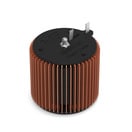 | SPECWE-TORPFC Toroidal PFC Chokes, –, – | Simulation– | Availability – | Status ActiveProduction is active. Expected lifetime: >10 years. iProduction is active. Expected lifetime: >10 years. | Product seriesWE-TORPFC Toroidal PFC Chokes | – | – | – | – | – | – | – | – | – | – | – | – | – | – | – | – | – | – | – | – | – | Outer Diameter60 mm | – | Inductance132.75 µH | Rated Current25.3 A | Saturation Current45 A | DC Resistance14 mΩ | – | – | – | – | – | – | – | – | – | Operating Temperature -40 °C up to +155 °C | – | – | – | Height54.5 mm | – | – | – | – | –Check availability | |||||||||||||||||||||||||||||||||||||||||||||||||||||||||||||||||||||||||||||||||||||||||||||||||||||||||||||||||||||||||||||||||||||||||||||||||||||||||||||||||||||||||||||||||||||||||||||||||||||||||||||||||||||||||||||||||||||||||||||||||||||||||||||||||||||||||||||||||||||||||||||||||||||||||||||||||||||||||||||||||||||||||||||||||||||||||||||||||||||||||||||||||||||||||||||||||||||||||||||||||||||||||||||||||||||||||||||||||||||||||||||||||||||||||||||||||||||||||||||||||||||||||||||||||||||||||||||||||||||||||||||||||||||||||||||||||||||||||||||||||||||||||||||||||||||||||||||||||||||||||||||||||||||||||||||||||||||||||||||||||||||||||||||||||||||||||||||||||||||||||||||||||||||||||||||||||||||||||||||||||||||||||||||||||||||||||||||||||||||||||||||||||||||||||||||||||||||||||||||||||||||||||||||||||||||||||||||||||||||||||||||||||||||||||||||||||||||||||||||||||||||||||||||||||||||||||||||||||||||||||||||||||||||||||||||||||||
Availability Forecast
WE item number Packaging unitLead time
––– weeks
| Expected Availability | Opening inventory | Quantity |
|---|---|---|
| Current Availability | – | – |