PURE.flex PCBs
Mechatronics optimizes your interfaces
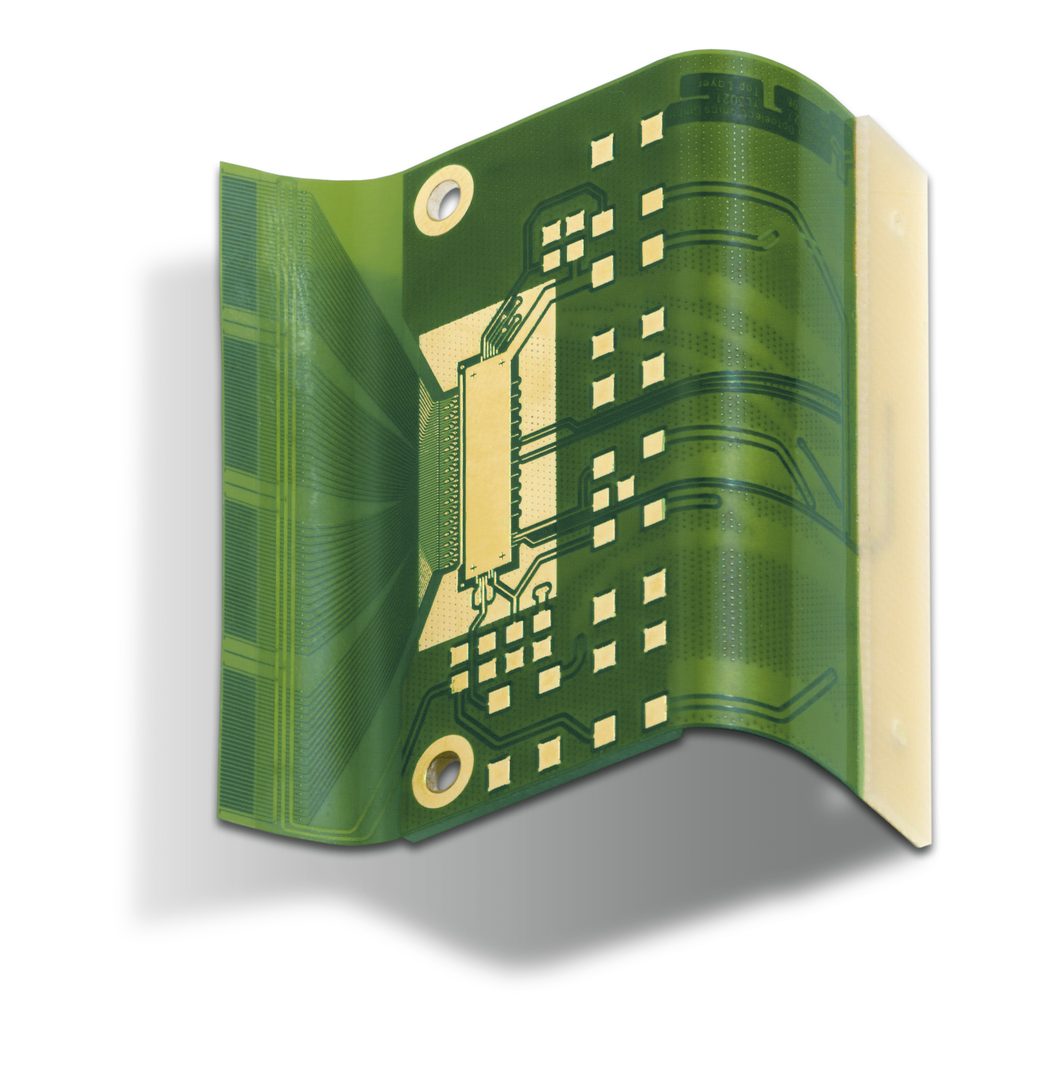
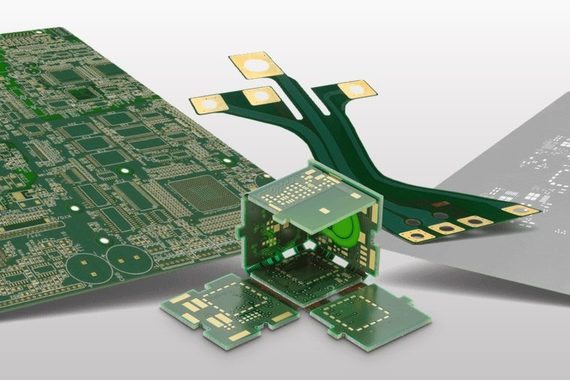
Flexible films made of polyimide with a typical thickness of 50 μm are chemically stable and high-temperature resistant materials. In combination with copper cl adding, this base material can be used to manufacture flexible printed circuit boards with one or two copper layers, which can be processed using all common soldering methods. Partial rigidizing with glued-on stiffeners allows the use of standard SMD components. Thanks to this flexibility, small installation spaces can be used very efficiently. The use of special copper qualities gives the circuits outstanding properties for dynamic bending loads. Clever mechatronic systems save interfaces and improve reliability at lower system costs.
Advantages of Würth Elektronik PURE.flex technology
Relevant parameters for production-ready PCB design
Modern printed circuit board solutions are more than just connecting elements. They are the key to progress in electronics. With this in mind, we actively support our customers in development and also offer our own system solutions with electronic functions.
The PURE.flex design rules include all the important parameters you need to make your project successful:
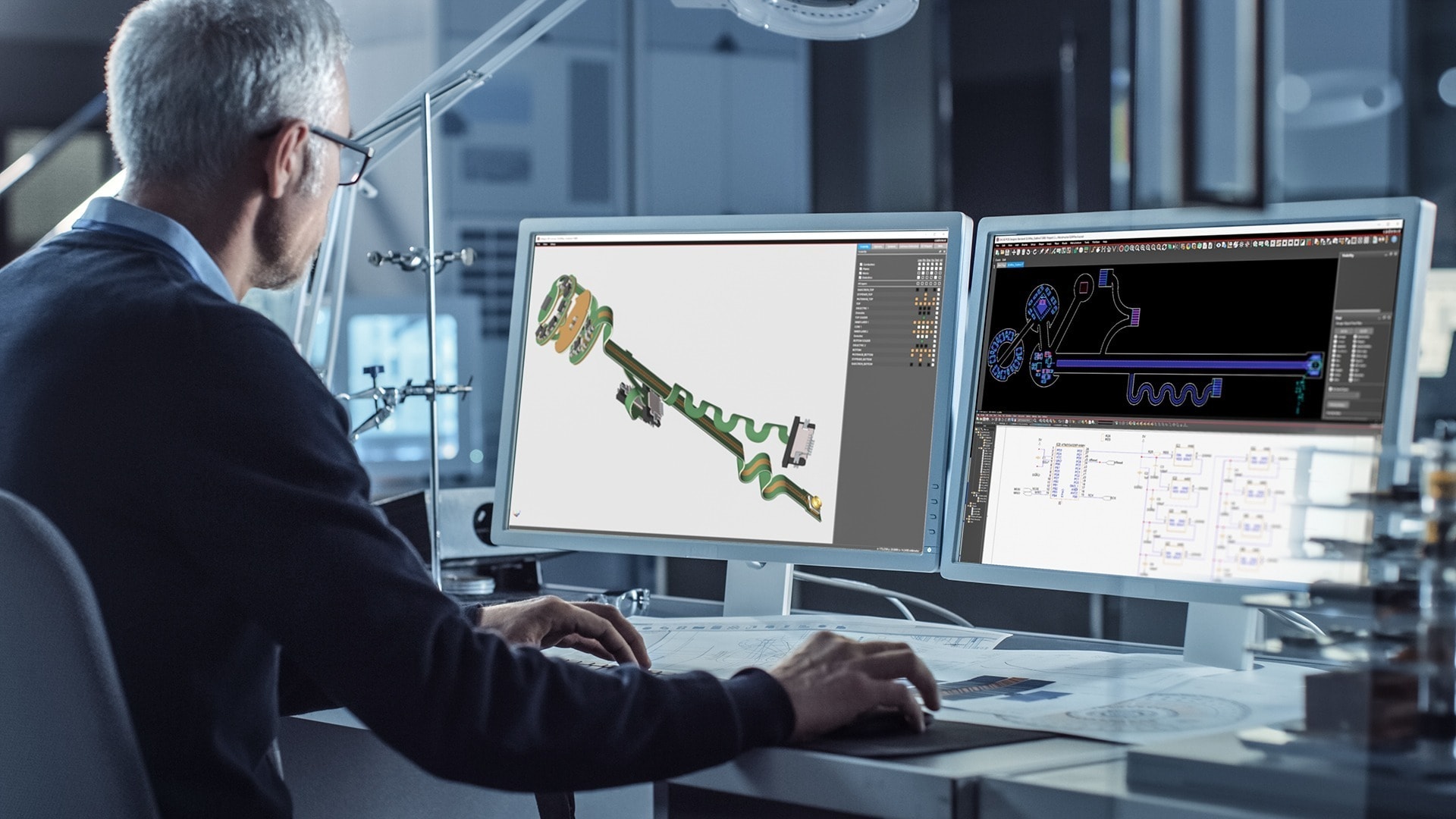
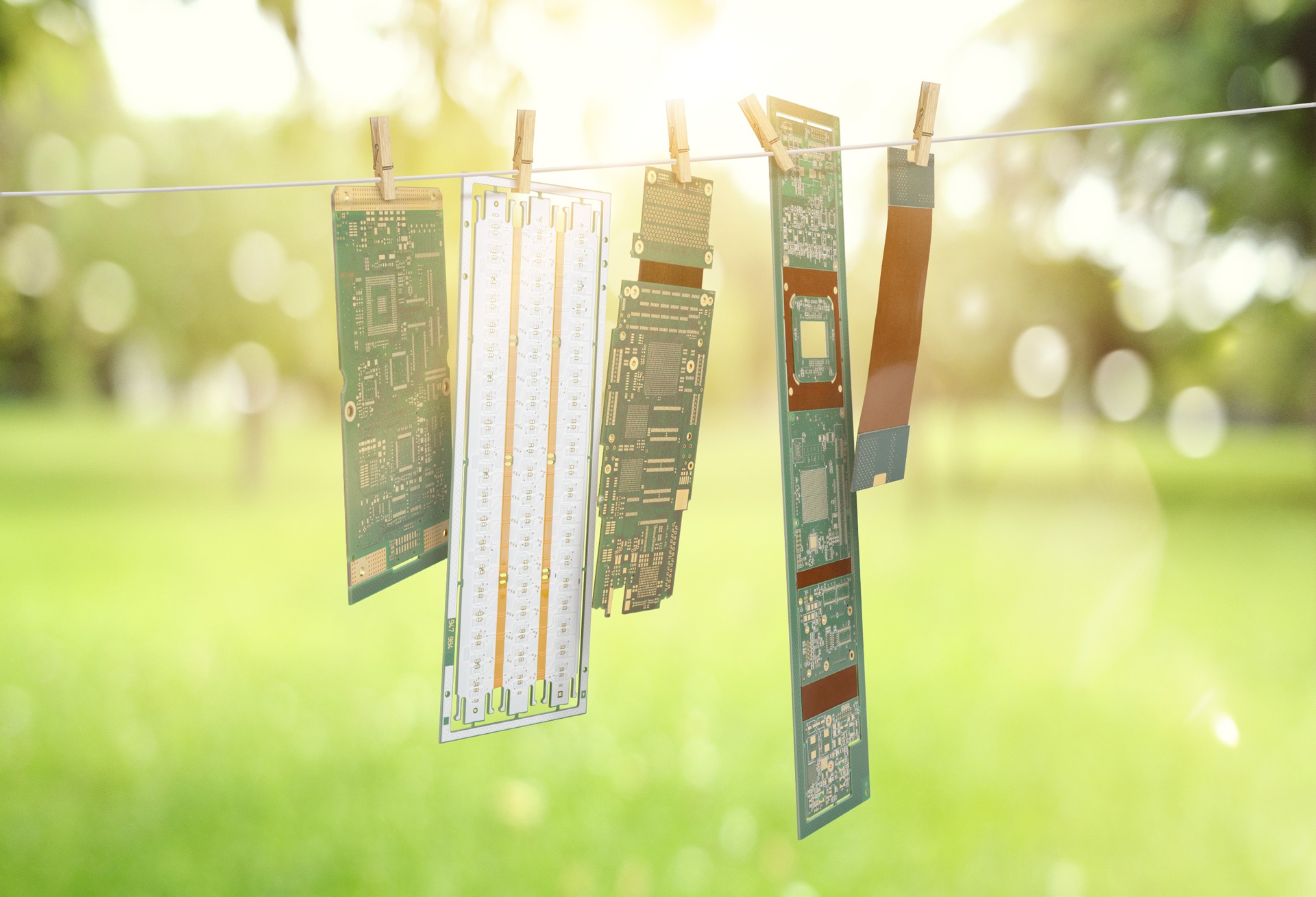
In this design guide you will find an overview of all variants of our flex solutions. In addition, our specialists have summarized valuable design tips for you here. This will help you bring your application to success reliably and safely.
Get started with your layout faster - thanks to standardized stackups
With these stackups, you automatically use market-customary and cost-optimized standards and avoid expensive custom builds. In addition, high-quality and cost-effective production with shorter delivery times is made possible because stock materials are used and standardized production processes are followed.
Here you will find our standard layer lay-ups for PURE.flex in digital form for import into your EDA software and as PDF.
Basically all layouts are designed according to IPC-2223 Use A (Flex-to-install).
Flexible polyimide printed circuit boards (PCBs), even when in their original packaging, absorb moisture from the air under normal room conditions. Since a dried polyimide film reaches its moisture saturation point again after just a few hours, the logistics must also be reviewed and adjusted as needed.
This prevents damage from delamination, blistering, and tearing, which can otherwise occur during soldering due to the absorbed moisture.
Did you know that your PCB design is crucial in this context? Read our detailed drying instructions.
To document and optimize the drying process, you can use our planning sheet for support.
Learn more about the background and qualifications of a suitable drying process: A detailed application note, "Physics of Moisture & the PCB Drying Process," can be found here.
Furthermore, you have the option to rewatch our webinar "Moisture in printed circuit boards - Development of an efficient drying process" or to download the associated webinar presentation.
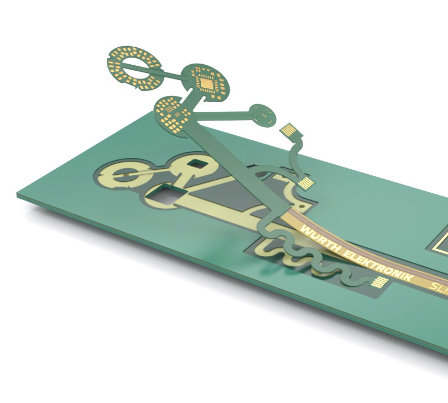
The image shows our physical PCB sample SLIM.flex WE.scope, which you are welcome torequest free of charge.
For the assembly of thin substrates using standard processes, such as SLIM.flex and PURE.flex technologies, there is a simple option with a solder support available in various designs.
Würth Elektronik can supply your printed circuit board (PCB) with a bonded FR-4.0 solder support, enabling assembly on standard automated machines. The possible thickness of the solder support can be found in the corresponding design rules.
Contact us